

Bushfire-Proofing Urban Edges: Passive Fire Strategies for BAL Zones
January 12, 2026
Our team at IECC works closely with homeowners and project teams who live at the edge of bushland and built-up areas. These locations at Wolli Creek carry a unique level of exposure where wind or heat and ember attacks can move quickly from vegetation into residential streets. Smart planning and thoughtful material choices for passive fire solutions help reduce risk while keeping homes comfortable and visually appealing.
Living near green corridors brings lifestyle benefits, but it also brings responsibility. Our company knows how early decisions around layout and materials and ongoing upkeep shape how a home performs during extreme conditions. A calm, well-planned approach makes it easier to manage insurance expectations and long-term safety without overcomplicating the build.
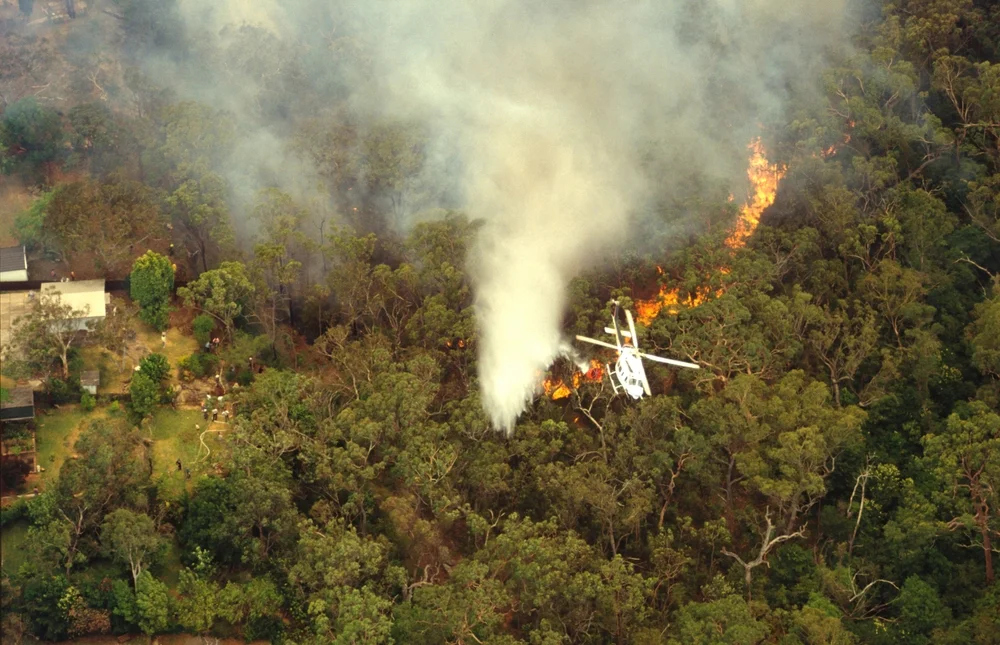
Bushfire risk around metropolitan areas is shaped by vegetation density or wind patterns and how close homes sit to unmanaged land. Suburbs near waterways or parklands or escarpments often face higher ember exposure even when fires start kilometres away. Knowing how these factors interact allows safer decisions at the design stage rather than costly fixes later.
Risk mapping is not about fear but about clarity. It highlights how small changes in setback distances or slope and material choice can dramatically alter performance during a fire event. Clear understanding supports better conversations between builders or designers and homeowners.
Vegetation acts as fuel and also influences how heat and embers travel across urban edges. Narrow corridors of trees or landscaped reserves can funnel wind towards housing clusters. Understanding this movement helps guide spacing and surface treatments.
Slope plays a major role in how quickly fire moves and how intensely it burns. Flames travel faster uphill, increasing heat load on structures positioned above bushland. Even gentle rises can change risk levels significantly.
Closely spaced housing can amplify risk through shared surfaces and limited access. Fire can move from one structure to another if materials allow ignition. Community-wide planning matters as much as individual design.
Planning controls set the baseline for safety, but thoughtful design lifts performance well beyond minimum standards. The meeting point between bushland and suburb needs deliberate treatment. Every surface or junction and opening plays a role in resisting ignition.
Good design blends safety with liveability. Homes remain welcoming and functional while quietly working to limit fire impact. This balance builds confidence for owners and simplifies approval processes.
Orientation affects how much heat and ember exposure a home receives. Aligning key elevations away from bushland reduces direct impact. Setbacks offer breathing space for both fire safety and maintenance.
A continuous external envelope prevents embers from finding entry paths. Breaks and gaps often become failure points under pressure. Consistent detailing strengthens overall performance.
Planning rules guide minimum requirements but allow flexibility in how outcomes are achieved. Early engagement ensures design choices align with approvals. This avoids redesigns late in the process.
Layered protection improves resilience when conditions escalate. Different materials respond in complementary ways under heat exposure. Combining systems spreads risk and improves reliability.
These approaches work quietly in the background. They activate only when needed and require no human intervention. This makes them ideal for residential settings.
External cladding forms the front line against heat and flame. Non-combustible surfaces reduce ignition likelihood. They also protect internal structural elements.
Coatings expand when exposed to heat, forming an insulating layer. This reaction delays temperature rise in protected elements. It buys valuable time during fire events.
Hybrid systems perform best when designed together. Compatibility ensures each layer supports the other. Poor coordination can undermine overall effectiveness.
Higher risk categories demand careful attention to detail. Decisions must be defensible and practical. Consultation ensures compliance without overengineering.
Clear guidance simplifies the build journey. It supports confident choices from concept through completion. Owners benefit from reduced uncertainty.
Selecting the right products goes beyond brochure claims. Installation quality often determines real-world performance. Small mistakes can compromise protection.
Clear documentation supports certification and insurance requirements. It also provides a reference for future works. Transparency builds confidence.
Budget constraints are real, but shortcuts can be costly. Smart choices focus spending where it matters most. Value lies in performance, not excess.

Ongoing inspection keeps protection measures effective. Hard-to-reach areas often hide early signs of wear. Modern tools make monitoring easier and safer.
Remote methods reduce disruption. They also improve accuracy and frequency. Consistent checks support long-term resilience.
Early detection prevents small issues from escalating. Weather and UV exposure slowly degrade surfaces. Regular review maintains integrity.
Drones provide visibility without scaffolding. They capture detailed imagery quickly. This supports informed maintenance decisions.
Consistency matters more than intensity. Simple routines keep systems effective. Owners benefit from predictable planning.
Insurers increasingly recognise the value of risk reduction. Well-designed homes often attract better terms. Clear evidence supports these discussions.
Upgrades provide peace of mind beyond premiums. They protect assets and occupants alike. The return extends beyond financial measures.
Passive upgrades lower the likelihood of damage. Insurers value measurable risk reduction. Clear documentation supports assessment.
Accurate valuations reflect upgraded performance. This ensures adequate coverage. Owners avoid underinsurance risks.
Benefits extend beyond immediate savings. Homes retain value and remain safer. Owners gain confidence in extreme conditions.
From experience, well-considered passive measures create homes that quietly stand up to extreme conditions without sacrificing comfort or style. Thoughtful planning with layered protection and ongoing care forms a dependable foundation for safety. Each decision builds on the last, creating a cohesive response to real-world risks.
IECC believes that confidence comes from clarity and consistency. When design with materials and maintenance align, homes perform as intended year after year. This approach supports safer communities and stronger outcomes for everyone involved.