

Common Passive Fire Defects Found in Existing Buildings
April 13, 2026
When walking through an existing building, it is easy to assume that passive fire protection is performing as intended behind walls, ceilings and service risers. In practice, many buildings contain concealed defects that can undermine fire performance when it is most critical. Observations across existing stock consistently reveal recurring weaknesses in compartmentation, fire stopping, fire doors, structural fire protection and service penetrations, often compounded by gaps in documentation and uncoordinated alterations.
These issues commonly arise from damaged or missing fire stopping around new services, poorly maintained or incorrectly specified fire doors, penetrated or breached fire-resisting elements and compromised protection to structural components. Such defects are widespread due to ongoing modifications, ageing materials and fragmented responsibility for maintenance and compliance. Understanding where failures typically occur provides a basis for prioritising surveys, remediation works and long-term management strategies so that fire-resisting systems continue to perform as intended.
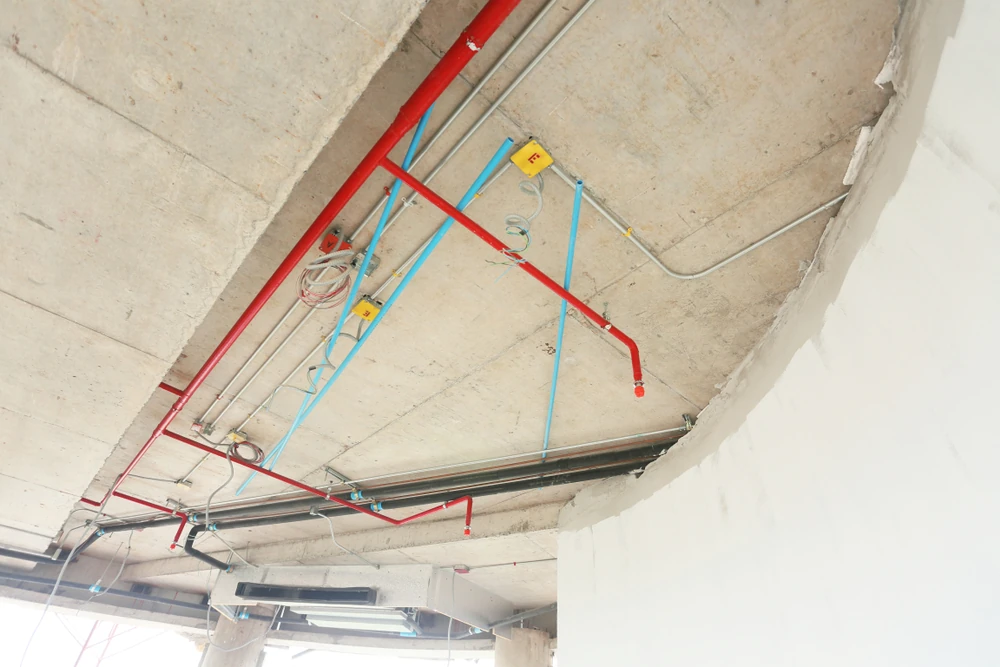
Passive fire protection defects are widespread in existing buildings because most structures were not designed, built and maintained under the current, more stringent understanding of fire risk. Over time, building use changes, services are altered and materials degrade, which quietly erodes compartmentation and fire resistance.
Many defects are the cumulative result of small, seemingly minor decisions made over decades. A single additional cable tray, a new doorway, or a refurbishment can defeat carefully designed fire compartments if not properly detailed and inspected. Older properties and even relatively modern ones frequently exhibit recurring patterns of failure.
A large proportion of the existing building stock was constructed to earlier codes or minimal local requirements that did not anticipate today’s fire loads, service complexity or performance expectations. Fire stopping around penetrations was often treated as a secondary detail rather than a critical life safety feature.
Previous standards commonly allowed materials and details that are no longer acceptable, such as:
When these constructions are viewed against modern benchmarks such as current IBC, IFC or NFPA requirements, significant shortcomings become apparent even if the building was compliant at the time of construction.
Defects frequently arise not from the original build but from years of alterations. Each new tenant fit-out, data upgrade or plant replacement introduces more penetrations through walls, floors and ceilings. Where penetrations are cut without coordinated fire-stopping design or third-party-certified products, fire compartments are gradually compromised.
Common patterns include:
These changes often fall outside full building permit processes, especially in smaller refurbishments, so defects accumulate unnoticed until a detailed passive fire survey is undertaken.
Fire protection is frequently associated with active systems such as sprinklers and alarms, which are more visible and subject to regular testing. Passive systems are concealed within walls, floors and risers so receive less day-to-day attention.
Without a clear fire strategy and maintenance regime, routine activities can introduce or leave unresolved defects, for example:
Budget constraints can also encourage quick fixes, such as generic fillers or untested boards instead of properly specified and documented fire-stopping systems. These choices result in a high prevalence of passive fire defects across the existing building stock.
Service penetrations for electrical, plumbing, HVAC and data systems are among the most common weak points in passive fire protection. When these openings are not properly sealed with tested fire-stopping systems, fire and smoke can spread rapidly through walls, floors and shafts that are otherwise rated for fire resistance.
In existing buildings, non-compliant penetrations frequently arise from later refurbishments or small maintenance works that bypass formal fire safety checks. Identifying and remedying these defects is critical to preserving compartmentation and maintaining regulatory compliance.
A recurring defect is the presence of unsealed or partially sealed gaps around cables, cable trays, pipes or ducts passing through fire-rated elements. Often, the original penetration was compliant, but subsequent additions, such as new data cabling or replacement pipework, were run through the same opening without reinstating certified fire stopping.
Common issues include:
Eventually, movement of services can also break the bond of sealants or crack the surrounding construction, leaving hidden voids that compromise fire performance.
Fire stopping is not an interchangeable building sealant. Products must be part of a tested system matched to the service type, substrate and fire rating required. A frequent defect in existing buildings is the use of generic intumescent mastic around:
Improvised approaches such as packing gaps with leftover rock wool and coating with paint or using standard builder’s foam labelled as “fire rated” but without evidence of appropriate testing are common. Many of these materials provide limited smoke control at ambient temperatures and do not maintain integrity for the duration of the rated period.
Effective inspection starts with a survey of all known fire-resisting compartment lines, including walls, floors, risers and plant rooms. Penetrations should be checked against the following:
Key red flags include undocumented penetrations, ad hoc sealing methods, lack of identification tags for fire-stopping systems and penetrations concealed by suspended ceilings or boxing with no access for inspection.
Unsealed or poorly sealed joints, gaps and penetrations in walls, floors and ceilings can quietly compromise an entire fire compartment. Even small discontinuities in fire-resisting elements give heat, smoke and toxic gases a path to spread long before structural collapse occurs. These defects are among the most common yet least recognised issues in existing buildings.
Many gaps appear long after construction through service upgrades, tenant fit‑outs and minor maintenance work. Unless every opening is correctly sealed with compatible fire‑stopping systems, the original fire rating of the element is no longer valid, regardless of what the drawings state.
Even a narrow gap can allow smoke to bypass a rated wall or floor within minutes. Hot gases will exploit any weakness in a compartment line and quickly reduce tenable conditions along escape routes. Unsealed joints at the head of corridor walls, for instance, can render protected escape routes ineffective in the early stages of a fire.
From a compliance perspective, a compartment element is only as strong as its weakest point. If a 2‑hour rated wall contains an untreated opening that fails in 10 minutes, the entire assembly effectively performs to the lowest rating at that location. Insurance requirements and life safety strategies typically assume continuity of compartmentation, so unidentified breaches may also invalidate risk assessments.
A systematic survey is essential. Passive fire inspectors typically trace all compartment lines on plans, then physically confirm each location on site, examine above suspended ceilings behind boxing and within risers and voids and check consistency of installed firestopping with product data and test evidence.
Effective remediation requires tested and appropriately rated systems, not ad‑hoc materials. Common solutions are:
Compatibility is critical. Sealants must suit the substrate and expected movement and they must be installed to the thickness, joint width and backing material specified in the test report. Labelling firestopped penetrations and maintaining records of products and installation dates support ongoing compliance and simplify future inspections.
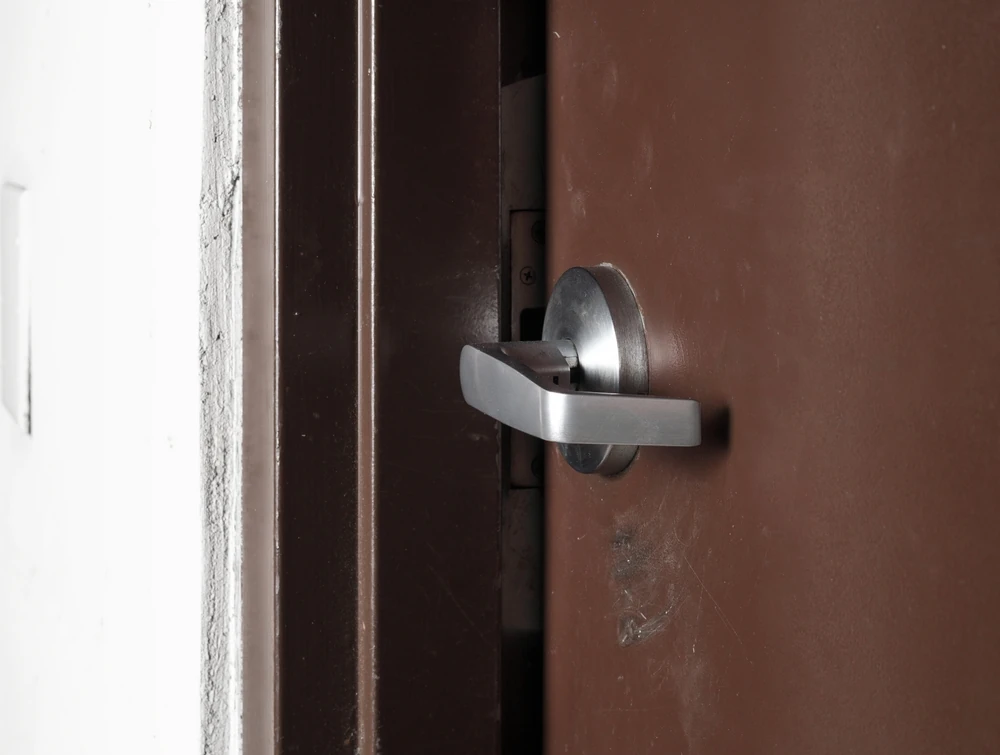
In existing buildings, passive fire protection is frequently compromised by day‑to‑day wear and tear, poorly planned maintenance and undocumented alterations. Once damaged or disturbed, even minor components can no longer perform as intended under fire conditions, which undermines compartmentation and safe egress.
Identifying and correcting these defects requires more than a quick visual check. Surfaces that look intact may conceal missing materials, gaps or unapproved repairs that allow smoke and flame to bypass fire‑resistance-rated construction and firestopping.
Fire‑rated gypsum board and masonry walls are frequently punctured for new cabling, piping or fixings. Subsequent patching with non‑rated materials or simple foam products eliminates the tested fire‑resistance performance. In service shafts and risers, missing or displaced firestopping is typical where new conduits or pipes have been run without proper detailing.
Fire doors deteriorate through constant use. Defects are broken or removed self‑closing devices, warped or delaminated leaves, damaged glazing, missing edge seals and modified hardware. Even a small gap increase at the head or jamb can defeat the door’s ability to resist smoke and hot gases.
Many passive fire systems are disturbed when buildings are refurbished or serviced. Mechanical and electrical upgrades often cut through fire‑rated barriers, then leave openings poorly sealed or not sealed at all. Ceiling tiles in fire‑resistance rated membrane ceilings are sometimes removed and replaced with non‑rated tiles or left out entirely.
Suspended services can also disturb structural protection. When ductwork or cable trays are hung from protected beams or slabs, installers may cut or remove fire protection to fix hangers. Any disturbance in these locations requires restoration using systems tested for that specific configuration.
Tenancy changes frequently result in unapproved alterations to fire‑rated partitions, particularly in offices and retail facilities. Door openings are relocated, glazing is added, or walls are partially removed without re‑establishing compliant fire separations that align with the original fire strategy.
Non-compliant alterations are among the most frequent reasons passive fire protection fails in otherwise well-designed buildings. Initial construction may have been broadly compliant, yet years of piecemeal upgrades, tenant fit-outs and services installations can seriously undermine compartmentation and means of escape without anyone noticing.
Identifying and correcting these later changes is critical. Fire and smoke rarely spread through obvious routes. They exploit the small gaps created by unsealed penetrations, altered walls, removed doors or poorly executed refurbishment.
Mechanical, electrical, plumbing and ICT upgrades are a prime source of passive fire defects. New cables, ducts and pipes are often run through existing fire-resisting walls or floors without suitable fire stopping or with products that are not appropriately tested for the substrate and service type.
Common issues to watch for:
A particular concern is the removal or displacement of existing fire stopping to allow new services, with no reinstatement to the original fire rating. Layers of historic work accumulate, leaving dense service clusters with little or no effective sealing.
Typical non-compliances include the replacement of fire doors with standard doors for aesthetic reasons, trimming or wedging doors for convenience and removing self-closers. Glazed screens may be installed without fire-resisting performance in locations that require fire-resisting barriers, such as corridor ends or between offices and escape routes.
Changes to ceiling systems are also problematic. Fire-resisting ceilings can be altered or replaced with decorative suspended ceilings that offer no fire protection, or downlighters and access panels may be added without tested fire hoods or suitably rated products. This can compromise fire separation between floors or between rooms and concealed voids.
Lack of accurate as-built drawings and penetration schedules makes it difficult to understand the original fire compartment strategy or verify subsequent works. Overpainting or partial removal of fire protection labels on doors, dampers and fire-stopping products further obscures compliance.
A robust passive fire management approach requires clear procedures so that all retrofit works are assessed for fire safety impact. This includes specifying tested systems, competent installation, photographic records and updating fire strategy documents so that future alterations do not unknowingly compromise earlier protections.
Missing or unclear labelling is one of the most common passive fire protection defects in existing buildings. Without correct identification, it is impossible to verify the rating or function of many fire safety elements, which undermines both day‑to‑day management and any future remedial work.
Equally problematic is the absence of documentation such as test reports, installation certificates and maintenance records. Even if a product appears robust, there is no reliable way to prove that it meets the fire strategy or the requirements of the building regulations without supporting evidence.
Proper labelling allows anyone inspecting or working on a building to understand what can and cannot be altered and what level of fire performance is required. Typical items that should carry permanent and legible labels:
Defects often found in existing buildings include missing door rating tags, painted‑over labels, generic stickers with no rating stated and labels that do not match the actual door leaf or hardware. Fire stopping is frequently installed with no product identification, no installer details and no reference to a tested system.
In an existing building the aim is to re‑establish a clear line of evidence rather than guess. Practical measures to remember:
By reinstating clear labelling and documentation, a building owner can move from assumption to demonstrable compliance, which is essential for both safety management and regulatory scrutiny.
Reducing passive fire defects in existing buildings starts with understanding that most issues arise from later alterations, not original construction. Services upgrades, tenant fit-outs and minor repairs often breach fire-resisting elements or compromise compartmentation. Effective control of these defects relies on systematic inspection and disciplined repair using tested solutions.
Improvement is rarely achieved by one-off projects. It requires a managed cycle of survey prioritisation, remediation and ongoing control of building alterations so new defects are not introduced as quickly as old ones are fixed.
A structured survey is essential to identify the location, scale and severity of defects. Inspections should focus on all fire-resisting elements that are intended to contain fire or smoke. Survey work should:
Sampling is rarely sufficient in older buildings with a long history of alterations. Invasive inspection above suspended ceilings within risers and behind service panels is often required.
Not all defects carry the same risk. Gaps in compartment walls around escape stairs or between plant rooms and occupied areas generally warrant priority. Fire risk assessment findings should be aligned with the compartmentation survey so remediation targets the most consequential vulnerabilities.
Repairs must use systems that are tested and approved for the specific substrate penetration type and required fire resistance period. Generic sealant or ad hoc “patching” is a common cause of repeat defects. Correct approaches:
All installations should be documented with product data and installation records so compliance can be demonstrated to authorities, insurers and future assessors.
Without controls around building alterations, defects will reappear. A simple permit-to-work process for any activity reduces uncontrolled damage to fire-resisting construction.
Necessary measures include:
Regular planned inspections should verify that doors close fully, frames remain intact, hardware is functional and no wedges or alterations compromise performance.
Passive fire protection in existing buildings typically fails not due to a single critical defect but through the accumulation of multiple small deficiencies. Compromised compartmentation, inadequate fire stopping, deteriorated fire doors and undocumented alterations reduce the effectiveness of fire-resisting construction and increase risk to occupants and property. Addressing these issues requires a structured and ongoing approach rather than isolated corrective actions. For regulators, designers, contractors and building owners, the implication is clear: fire performance is not fixed at completion but must be actively managed.