

Passive Fire Compliance in Sydney: Enforcement, Penalties and Audit Readiness
December 18, 2025
Staying compliant with passive fire protection in Sydney has become a lot more demanding as expectations around building safety continue to rise across the construction and property sectors. Enforcement is tighter while audits are more detailed, and regulators in Sydney are paying closer attention to how systems are installed or recorded and maintained over time. From the perspective of our team at IECC, compliance is no longer just about passing an inspection but about proving consistency and accountability across the life of a building.
Owners and builders and even facility managers are now expected to understand not only what is installed but also how it performs and how it is maintained long after handover. Small oversights can quickly escalate into serious issues during inspections or audits. That is why preparation with clear records and disciplined processes plays such a critical role in meeting today’s expectations and reducing exposure to enforcement action.
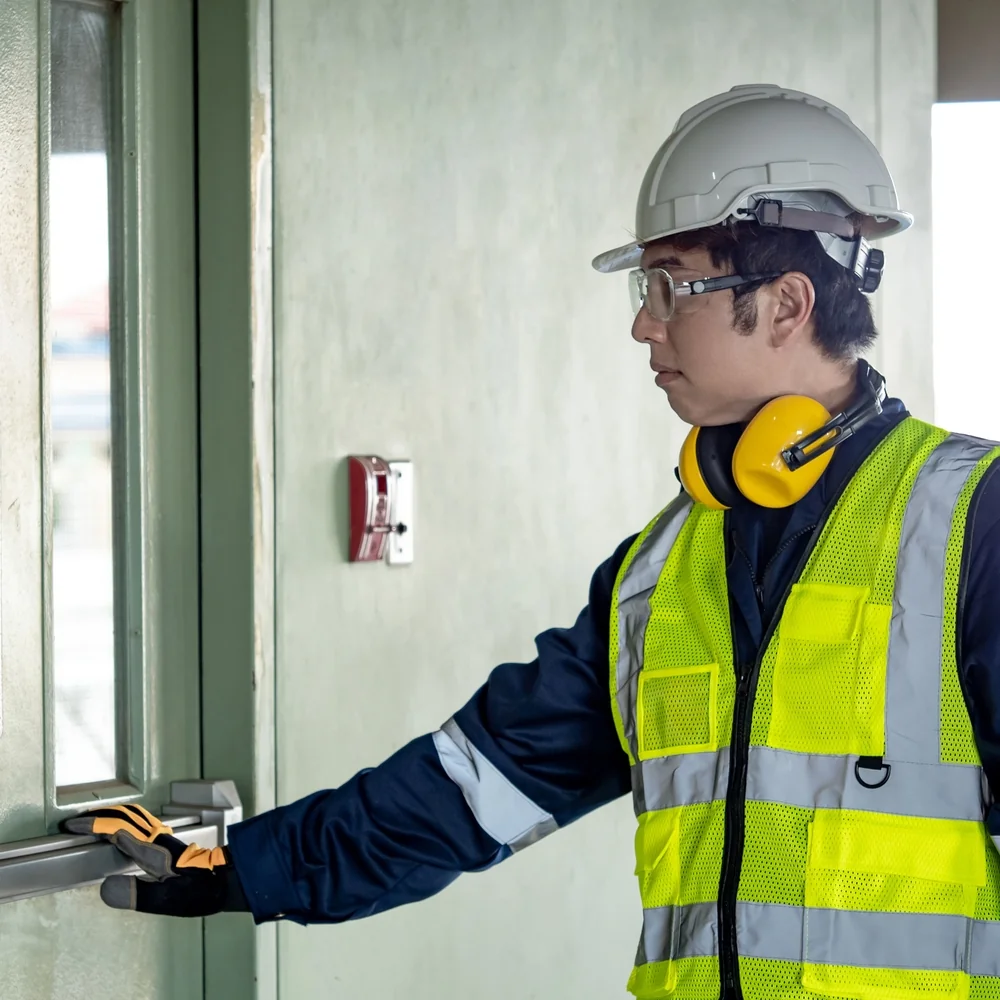
Enforcement activity has increased steadily as regulators focus on improving safety outcomes across new and existing buildings. Updates to national standards have shifted responsibility further onto owners and managers rather than limiting it to construction phases. Compliance is now treated as an ongoing obligation rather than a one-time sign-off. These changes mean audits are more frequent, more detailed and less forgiving of gaps or shortcuts.
Recent updates have placed stronger emphasis on verified installation or ongoing performance and documented maintenance rather than visual checks alone. Regulators expect systems to match tested configurations exactly and be supported by evidence that remains accessible years after installation. Compliance is now assessed across the full lifecycle of a building rather than only at completion.
Certifiers and assessors are operating under greater scrutiny themselves, leading to more cautious and thorough inspections. This has resulted in stricter documentation requests and fewer assumptions being made during site visits. Assessors are now more likely to require proof rather than accepting verbal confirmation.
Non-compliance now carries heavier consequences that extend beyond simple rectification notices. Financial penalties have increased, and enforcement bodies are more willing to escalate matters when risks are identified. Reputational damage is also a growing concern for building owners and contractors.
Audit failures often stem from preventable issues rather than complex technical problems. In many cases the intent is right, but execution falls short due to poor coordination or record keeping. Understanding common failure points makes it easier to put controls in place early. Avoiding these issues reduces stress and cost when inspections occur.
Incorrect installation remains one of the most common reasons for audit failure. Even approved products can fail if installed outside tested conditions. Inspectors are trained to identify these discrepancies quickly.
Incomplete or missing records are a major red flag during audits. Inspectors expect documentation to be clear and easily traceable. When records cannot be produced quickly, it raises concerns about overall compliance management.
Unapproved substitutions are a frequent issue on projects where changes occur late or under cost pressure. Even similar-looking products may not perform the same way. Inspectors treat unauthorised substitutions seriously.
Preparation is the most effective way to reduce inspection risk. A well-organised site and clear records set a positive tone before inspectors even begin. Being proactive shows commitment to safety and compliance. It also helps inspections run faster and more smoothly.
Inspectors focus on consistency between what is documented and what is physically installed. They also assess workmanship and overall condition of systems. Attention to detail plays a significant role in their assessment.
Traceability allows inspectors to confirm that each element has been installed correctly and maintained over time. Without traceability it becomes difficult to demonstrate compliance. Strong systems make this process straightforward.
Conducting internal checks before an inspection helps identify issues early. This allows time for rectification without pressure. It also builds confidence for everyone involved.
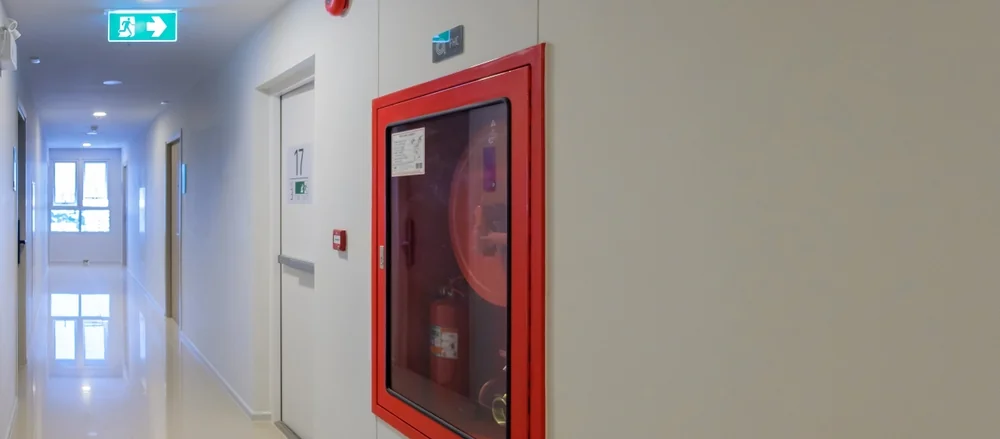
Compliance trends reveal patterns that are useful for future planning. Certain building types face recurring challenges. Understanding these patterns helps reduce risk and improve outcomes. Lessons learned from past audits can guide better decisions.
High-density and commercial buildings present unique challenges due to volume and complexity. Multiple trades increase the risk of inconsistencies. Coordination becomes critical.
Older buildings often predate current standards and documentation practices. Upgrading these buildings requires careful assessment. Hidden conditions add complexity.
Audit outcomes depend on a combination of technical and administrative factors. Preparation and attitude also matter. Buildings with structured systems tend to perform better.
Modern compliance relies heavily on strong record keeping. Digital tools make this process more efficient and reliable. Moving away from paper reduces the risk of lost information. Well-organised records support faster audits.
Digital tagging provides instant access to information on site. Inspectors increasingly expect this level of organisation. It also supports long-term maintenance.
Centralised records allow quick retrieval of information during inspections. They also improve internal oversight. Consistency is easier to maintain.
Software solutions streamline reporting obligations and reminders. They help ensure deadlines are met. Automation reduces manual effort.
True compliance is built into daily operations rather than treated as an occasional task. Culture plays a significant role in maintaining standards. When teams understand the importance of their actions, outcomes improve. Safety becomes a shared responsibility.
Daily habits influence long-term compliance more than one-off efforts. Simple routines make a big difference. Consistency builds reliability.
Knowledge empowers teams to act correctly. Ongoing training keeps everyone aligned with expectations. Awareness reduces accidental damage.
Scheduled reviews support continuous improvement. They provide opportunities to learn and adjust. Over time this strengthens compliance systems.
IECC is aware that maintaining compliance has become an ongoing responsibility that demands attention with organisation and commitment. Strong systems and clear processes reduce stress and support safer buildings. Preparation and consistency remain the most effective tools for managing inspections and audits. From our experience, investing in proper documentation and training pays off over time.
As enforcement continues to tighten, taking a proactive approach is essential. Building owners and managers who prioritise compliance are better positioned to manage risk and protect occupants. Our company continues to support this approach by focusing on quality workmanship with clear records and long-term performance. With the right mindset and systems in place, compliance becomes manageable rather than overwhelming.