

Sustainable Passive Fire Systems: Building for Safety and the Environment
December 18, 2025
Modern construction is changing fast, and safety expectations in Sydney are rising alongside environmental responsibility. Building owners and developers now expect passive fire systems to do more than meet minimum compliance by also supporting healthier indoor spaces and reduced environmental impact. Our team at IECC sees sustainability and safety as part of the same conversation rather than separate goals that compete with each other.
Clients increasingly ask for solutions that protect people and property while aligning with long-term environmental targets and asset performance goals. Fire protection choices made early in a project influence material waste levels or indoor air quality and future upgrade flexibility. A well-planned approach supports safer buildings today and a more responsible built environment for years to come.
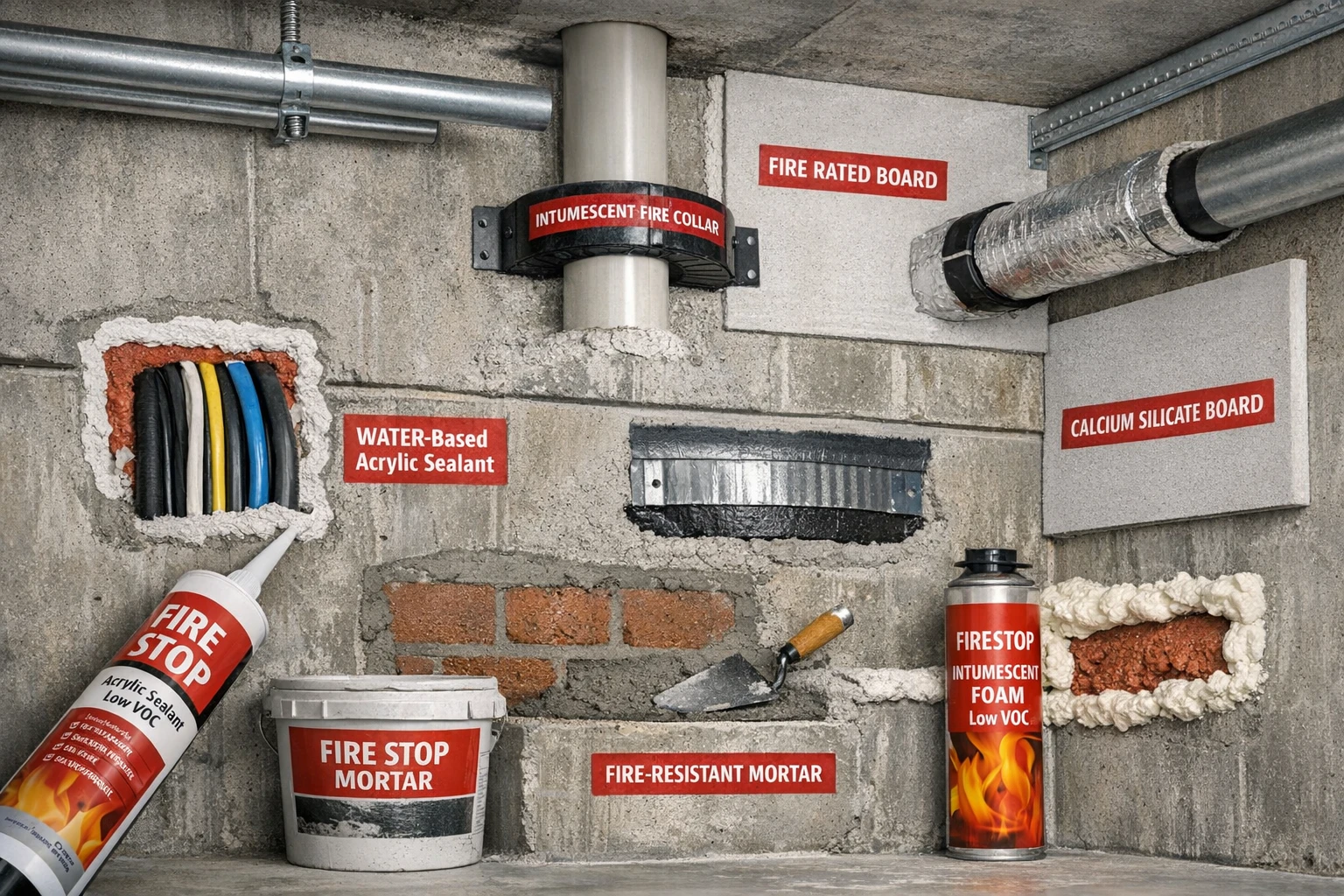
The construction sector is moving away from traditional materials that rely heavily on solvents and complex chemical blends. Designers and builders now prefer products that support healthier indoor environments without sacrificing safety outcomes. This shift is driven by stricter sustainability targets with changing client expectations and improved product innovation. Fire protection systems are increasingly selected with both environmental and performance criteria in mind.
Manufacturers are investing heavily in formulas that reduce harmful emissions while still delivering reliable fire resistance outcomes. These improvements allow buildings to achieve strong protection results while limiting exposure risks for occupants or installers and maintenance teams. Lower toxicity materials also support better long-term indoor conditions across residential and commercial spaces.
Sustainability decisions now consider what happens to materials beyond initial installation. Fire protection systems that support recycling or responsible disposal contribute to reduced landfill pressure over the full building lifecycle. Planning for future refurbishment or demolition is becoming a key part of responsible system selection.
Protective coatings and sealants have seen major innovation over recent years. Advances in chemistry now allow for lower environmental impact while maintaining strong durability and fire resistance. These improvements support both compliance and sustainability without adding complexity to installation processes.
Green building frameworks increasingly recognise the role of safety systems in overall building performance. Fire protection choices influence energy efficiency or indoor health and long-term asset resilience. Selecting appropriate systems supports both compliance and certification objectives without compromise. Fire safety and sustainability now work together as part of a broader building strategy.
Fire protection materials and installation practices can contribute positively to sustainability assessments. Low-emission products and durable systems align with indoor environment and lifecycle categories. Proper documentation helps demonstrate compliance with certification benchmarks.
Meeting fire safety obligations remains non-negotiable, while sustainability goals add another layer of responsibility. Careful planning ensures neither objective is compromised during design or construction. Collaboration across trades helps integrate both requirements effectively.
Clear records are essential when pursuing sustainability recognition. Fire protection documentation plays a key role in demonstrating compliance and material performance. Accurate records also support future audits and building modifications.
Innovation continues to reshape how fire protection systems are designed and delivered. New technologies focus on efficiency, precision and reduced waste across construction projects. These advances help teams achieve better outcomes with fewer resources. Sustainable thinking now drives both product development and installation methods.
Manufacturers are developing smarter products that deliver more with less material. Improved formulations and testing methods support consistent performance with reduced resource use. These changes support both sustainability and project efficiency.
Design decisions influence how much material is used and how efficiently systems are installed. Better coordination reduces unnecessary penetrations and rework. Thoughtful planning leads to cleaner installations and lower waste levels.
Digital platforms are changing how fire protection is documented and managed. These tools improve accuracy, reduce errors and support sustainable construction practices. Better data leads to better decision-making across project lifecycles.
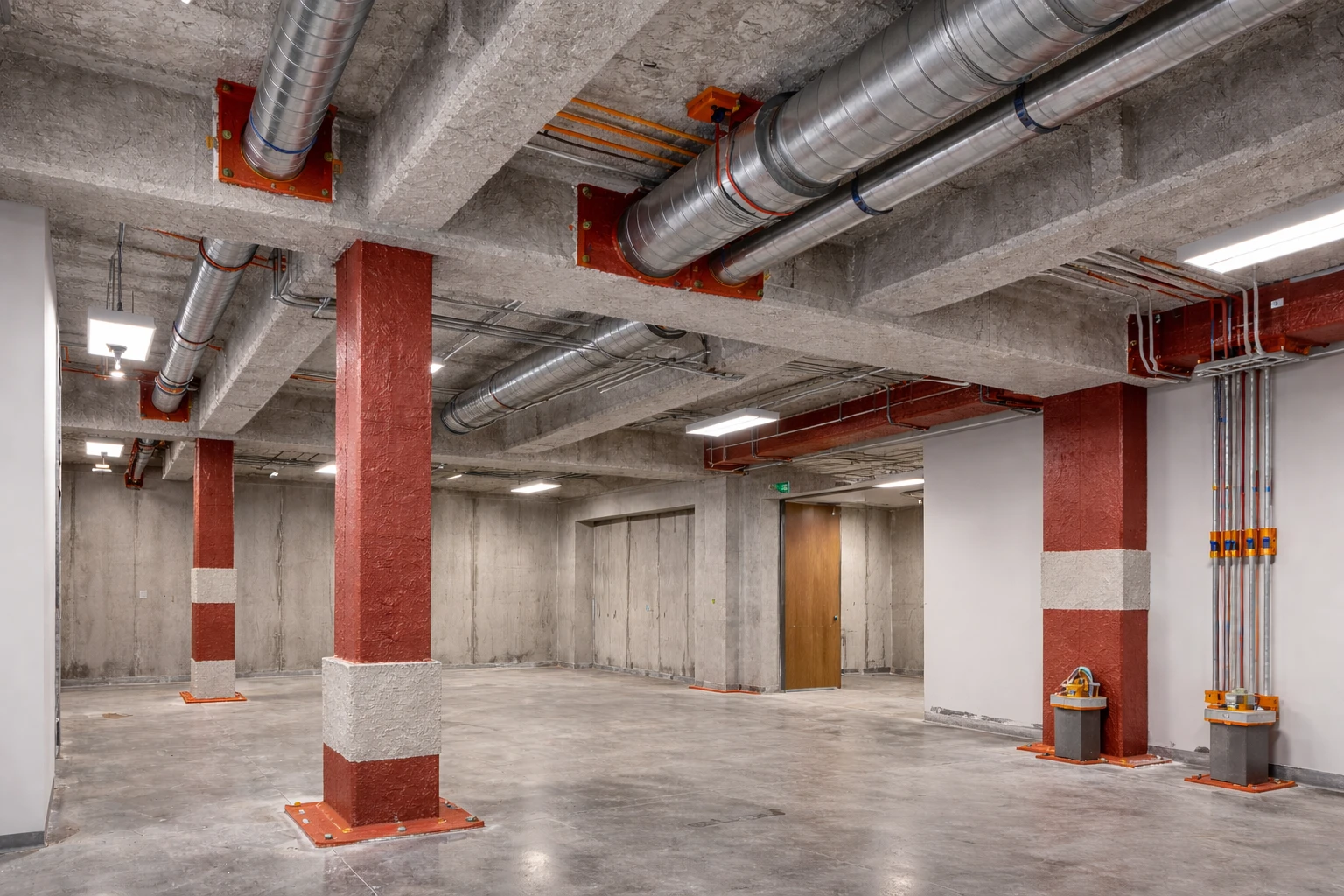
Supplier selection plays a major role in sustainability outcomes. Responsible manufacturers invest in transparency testing and continuous improvement. Working with the right partners supports both compliance and environmental responsibility. Careful evaluation helps avoid greenwashing and ensures real performance.
Asking the right questions helps identify genuinely responsible products. Clear answers demonstrate commitment to environmental improvement. These discussions also support stronger long-term supplier relationships.
EPDs provide standardised insight into product environmental performance. They support informed comparisons between similar products. These declarations are increasingly expected on larger or sustainability-focused projects.
Sustainable outcomes depend on responsible sourcing and manufacturing practices. Transparent supply chains reduce risk and support ethical construction. Visibility across sourcing helps align projects with broader sustainability commitments.
Regulations continue to evolve as sustainability expectations grow. Authorities are increasingly considering environmental impact alongside safety outcomes. Staying informed helps projects remain compliant and future-ready. Anticipating change reduces disruption and cost over time.
Regulatory frameworks are gradually recognising sustainability as part of building performance. Fire protection requirements are being assessed alongside broader environmental objectives. This approach encourages balanced and responsible system selection.
Future standards are expected to place greater emphasis on emissions durability and recyclability. Products that adapt early will be better positioned for compliance. Forward-thinking selection reduces the need for costly changes later.
Transitioning to new materials requires careful planning and verification. Not all products meet both safety and sustainability goals. Ongoing education and testing support confident adoption.
Sustainability is not just an environmental consideration but a commercial one. Thoughtful fire protection choices support operational efficiency and asset value. Long-term thinking reduces risk and enhances building performance. These benefits extend across owners or occupants and investors alike.
Durable materials reduce maintenance and replacement costs over time. Fewer interventions lower operational disruption and expense. Quality systems deliver value well beyond initial installation.
Buildings with strong sustainability credentials attract greater market interest. Fire protection systems form part of that broader value proposition. Responsible design supports future leasing and resale potential.
Clear documentation and responsible material selection reduce risk. Transparency supports compliance confidence and stakeholder trust. Proactive planning helps avoid disputes and remediation costs.
Strong fire protection and environmental responsibility can work together when systems are planned with care and expertise. Sustainable materials with thoughtful design and clear documentation support safer buildings without unnecessary compromise. Long-term value is created through durability with transparency and responsible decision-making.
IECC believes that sustainability strengthens safety outcomes rather than competing with them. By focusing on responsible materials with clear processes and proven performance, we help deliver buildings that protect people while supporting the environment and standing the test of time.