

What Is a Fire Safety Performance Solution and When Is It Needed?
June 4, 2026
Fire safety Performance Solutions are an important compliance pathway for projects that do not fit neatly within the Deemed-to-Satisfy provisions of the National Construction Code (NCC). Complex buildings, innovative designs, unusual layouts, existing site constraints and alternative materials can all create situations where a standard prescriptive approach is not suitable for every aspect of a project.
A Performance Solution does not remove the need for fire safety compliance. Instead, it provides a structured way to demonstrate that a proposed design satisfies the relevant NCC Performance Requirements, even where one or more Deemed-to-Satisfy provisions are not followed.
Depending on the project brief, the process may also consider broader objectives such as property protection, operational continuity and business interruption risk. Early planning can reduce the risk of avoidable redesign, approval delays and construction changes later in the project.
IECC explains what a fire safety Performance Solution is, how it differs from a Deemed-to-Satisfy approach, when it may be needed and how it can apply to passive fire protection. The article also outlines the main stages of the process and the roles of the practitioners involved.
A fire safety Performance Solution is a project-specific method of demonstrating compliance with the relevant Performance Requirements of the NCC.
The NCC sets out minimum performance outcomes that buildings must achieve. These outcomes can be satisfied through:
A Deemed-to-Satisfy Solution follows the prescriptive provisions set out in the NCC. A Performance Solution provides an alternative pathway where an aspect of the proposed design cannot be demonstrated through those provisions alone or where a tailored approach is more appropriate.
A project does not necessarily need to use a Performance Solution for the entire building. It may rely on Deemed-to-Satisfy provisions for most elements while using a Performance Solution to address a specific issue, such as an unusual atrium, extended travel distances, a non-standard compartment layout or an alternative fire-resistant construction detail.
The purpose is not to bypass established fire safety requirements. The proposed solution must still be supported by a transparent and defensible assessment process.
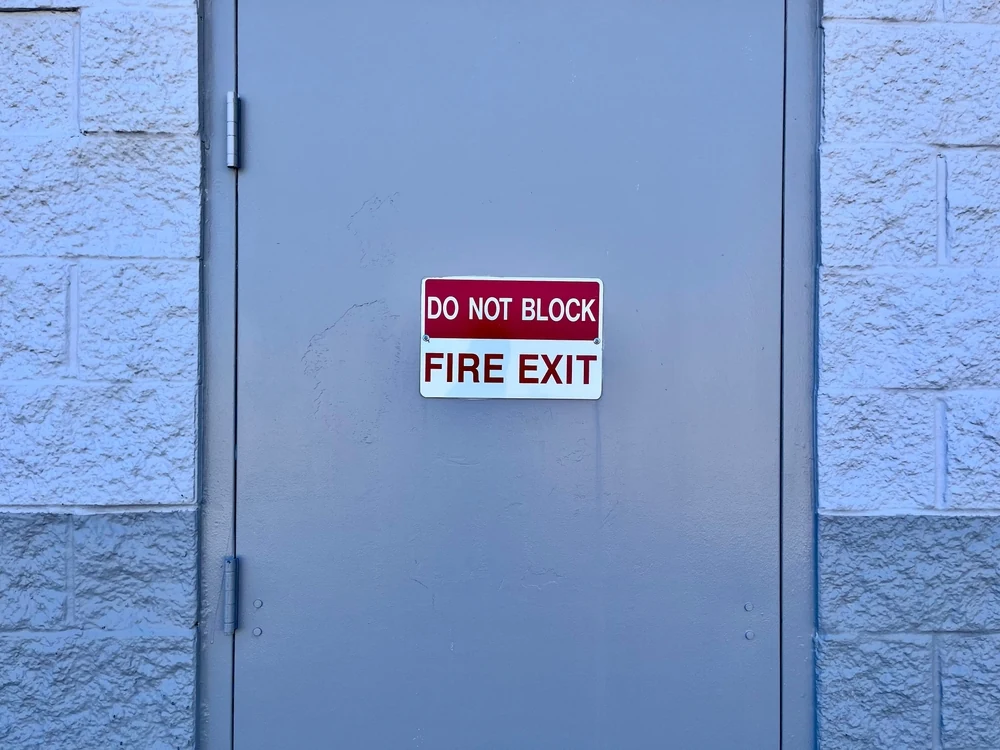
A Performance Solution and a Deemed-to-Satisfy Solution are both recognised pathways for satisfying the NCC Performance Requirements. The difference lies in how compliance is demonstrated.
A Deemed-to-Satisfy approach follows the prescriptive requirements of the NCC. These provisions specify requirements such as:
Where the relevant provisions are followed, the design is deemed to satisfy the associated Performance Requirements.
This pathway is generally suitable for buildings with conventional layouts, common construction methods and straightforward fire safety risks.
A Performance Solution takes a different approach. Instead of following each applicable Deemed-to-Satisfy provision, the project team must demonstrate that the proposed design satisfies the relevant Performance Requirements.
This may involve a tailored assessment of issues such as:
For example, an architect may propose an interconnected atrium that does not align with the standard compartmentation provisions. A Performance Solution could assess the specific fire risks and demonstrate how measures such as smoke control, detection, suppression, egress design and passive fire protection work together to achieve the required outcome.
Deemed-to-Satisfy provisions provide a relatively predictable compliance pathway. Performance Solutions offer greater design flexibility but require more detailed analysis, consultation and documentation.
The solution must be clearly defined so that the relevant building surveyor, certifier and other stakeholders can understand:
A Performance Solution may be needed where an aspect of a project cannot be demonstrated through the Deemed-to-Satisfy provisions alone. This can occur in new developments, refurbishments, fit-outs and existing buildings.
The need for a Performance Solution does not automatically indicate that a building is unusually complex. Even a relatively straightforward project may require a tailored compliance pathway where the proposed design falls outside a prescriptive provision.
Large, interconnected or unusual spaces can create fire safety conditions that are not adequately addressed by standard provisions.
Examples include:
These features may affect smoke movement, occupant evacuation, compartmentation and firefighter access.
Existing buildings often present practical constraints. Original stair widths, floor layouts, compartment boundaries and structural elements may not satisfy current Deemed-to-Satisfy provisions.
Full reconstruction may be impractical, particularly in heritage buildings or occupied facilities. A Performance Solution can assess the specific risks and identify targeted measures that satisfy the relevant Performance Requirements while limiting unnecessary disruption.
Depending on the project, these measures may include:
New materials, structural systems and construction methods may not align directly with standard prescriptive provisions.
Examples include:
A Performance Solution may be needed to demonstrate that the proposed design satisfies the relevant fire safety requirements in its intended application.
Some buildings have occupant profiles, operational requirements or fire loads that require a more tailored approach.
Examples include:
A Performance Solution may consider factors such as occupant mobility, staffing levels, evacuation procedures, storage arrangements, business continuity requirements and the interaction between active and passive fire measures.
A robust Performance Solution follows a documented process. The level of detail will depend on the complexity of the issue, but the key stages generally remain the same.
The Performance-Based Design Brief establishes the basis for the assessment before detailed analysis begins.
It should identify:
Developing the brief early helps ensure that the project team agrees on the assessment pathway before major design decisions are locked in.
The next stage is to complete the analysis outlined in the brief.
Depending on the project, this may involve:
The tools used will depend on the issues being assessed and the selected Assessment Methods.
The results must be assessed against the acceptance criteria established in the Performance-Based Design Brief.
The evaluation should clearly explain whether the proposed design satisfies the relevant NCC Performance Requirements. Where a comparison with a Deemed-to-Satisfy design is used, the analysis should demonstrate that the proposed approach provides the required level of performance.
The final report records the basis of the Performance Solution and the outcome of the assessment.
It should clearly document:
Clear documentation is essential because the approved design must be understood during construction, inspection, commissioning and future building maintenance.
The NCC recognises several formal Assessment Methods for determining whether a Performance Solution satisfies the relevant Performance Requirements.
A solution may rely on one method or a combination of methods.
Evidence of Suitability may include documentation that demonstrates a material, product, form of construction or design is appropriate for its intended use.
For passive fire protection, this may involve fire test reports, assessment reports, product certificates or other supporting technical documentation.
The evidence must be reviewed carefully. A tested system may only be suitable where the installed configuration matches the scope, limitations and conditions of the supporting documentation.
A Verification Method is a defined test, inspection, calculation or other method used to confirm compliance with the relevant Performance Requirements.
Depending on the issue, this may involve calculations, modelling or other structured assessment procedures.
Expert Judgement may be used where a suitably qualified and experienced practitioner is able to determine whether a proposed design satisfies the relevant Performance Requirements.
The judgement should be transparent and supported by a clear technical basis. It should not rely on an unsupported opinion.
A Performance Solution may also be assessed by comparing the proposed design with a Deemed-to-Satisfy-compliant benchmark.
The comparison should demonstrate that the proposed approach provides an appropriate level of performance in relation to the relevant requirements.
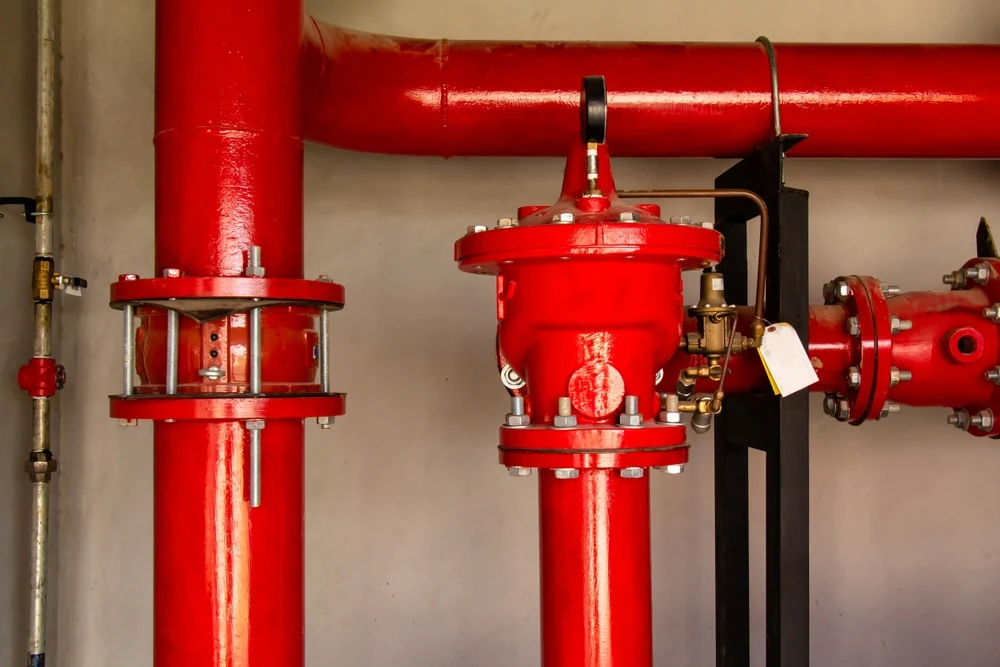
Passive fire protection is a critical part of the overall fire safety strategy. It is designed to maintain structural stability, limit fire and smoke spread and support safe evacuation during a fire.
A Performance Solution may be needed where the proposed passive fire measures do not align directly with the Deemed-to-Satisfy provisions.
Examples include:
The assessment must consider the specific building design and the way the passive fire elements interact with active fire systems, egress arrangements and operational procedures.
A change to one part of the fire safety strategy can affect other systems.
For example, a proposed variation to a fire separation requirement may influence:
A Performance Solution may include compensating measures, but these must be justified as part of the overall strategy. An enhancement to an active system should not automatically be treated as a substitute for passive fire protection without a clear technical assessment.
A passive fire specialist can help identify practical issues that may affect the development, documentation and construction of a Performance Solution.
This may involve:
Early input is particularly valuable where the design relies on tested systems, assessed variations or complex interfaces between walls, floors, façades, services and structural elements.
A fire safety Performance Solution may involve several practitioners and stakeholders. The exact roles and approval pathway will depend on the project, the building classification and the applicable state or territory requirements.
Fire-related Performance Solutions are commonly prepared by a suitably qualified fire safety engineer.
The engineer may be responsible for:
Architects and designers must coordinate the building layout, materials and construction details with the fire safety strategy.
Decisions involving atria, exits, travel distances, openings, façades, stairways and service locations can all affect the Performance Solution.
Structural engineers may need to assess the stability and fire resistance of load-bearing elements.
Building services engineers may contribute to the design of:
The active and passive fire systems must work together as part of the broader design.
The owner or developer provides important information about the intended use of the building.
Facility operators may also contribute details about:
These factors can affect the assumptions used in the assessment.
The statutory review and approval pathway varies between Australian states and territories. Depending on the project, a building surveyor, certifier, fire authority or other regulatory body may need to review aspects of the proposed Performance Solution.
The documentation must be clear enough for the relevant parties to understand the basis of the solution and determine whether the required compliance outcomes have been demonstrated.
Independent peer review may be appropriate for complex, high-risk or novel solutions.
A peer reviewer may assess whether:
Peer review provides an additional level of scrutiny where the consequences of an incorrect assumption could be significant.
Performance Solutions are most effective when they are considered during the early design stages rather than introduced after key decisions have already been made.
Early coordination allows the project team to identify potential compliance issues before they create expensive construction changes or design delays.
Late discovery of a fire safety issue may require:
Early assessment allows the project team to evaluate the options before the design is finalised.
Performance requirements can affect architecture, structural engineering, mechanical services and passive fire protection.
Early coordination helps ensure that:
This reduces the likelihood of site clashes and undocumented compromises during construction.
A Performance Solution is only effective if its requirements are carried through into the construction documentation and completed building.
Clear documentation helps contractors, inspectors and facility managers understand:
A fire safety performance solution is not an informal workaround or a way to avoid the National Construction Code. It is a structured compliance pathway that allows a project-specific design to be assessed against the relevant Performance Requirements.
When the process begins early, the project team can coordinate fire safety with architecture, structure, building services and passive fire protection before avoidable problems arise on site.
A well-developed Performance Solution should clearly define the scope of the proposal, identify the relevant requirements, use appropriate Assessment Methods and document the evidence supporting the outcome. This gives certifiers, regulators, contractors and building owners a clear basis for understanding how the design is intended to perform and how that performance must be maintained throughout the life of the building.