

Why Passive Fire Defects Are Often Missed Until Building Audits
April 13, 2026
Passive fire protection is often assumed to function reliably in the background for the life of a building, yet in practice, its performance is far more vulnerable to hidden deterioration and undocumented change. Across audits and refurbishment works, critical defects repeatedly emerge only when intrusive inspection occurs, exposing long-standing weaknesses in compartmentation, firestopping and structural protection that remained undetected during normal operation. For any passive fire consultant, this pattern highlights a systemic issue rather than an isolated failure.
IECC examines why such defects frequently remain invisible in day-to-day building use, how design and construction decisions contribute to latent weaknesses and why maintenance practices often fail to prioritise passive fire integrity. It also explores how fragmented responsibility, limited inspection methods and reliance on active systems allow these issues to persist until formal audits, compliance reviews or insurance assessments bring them to light.
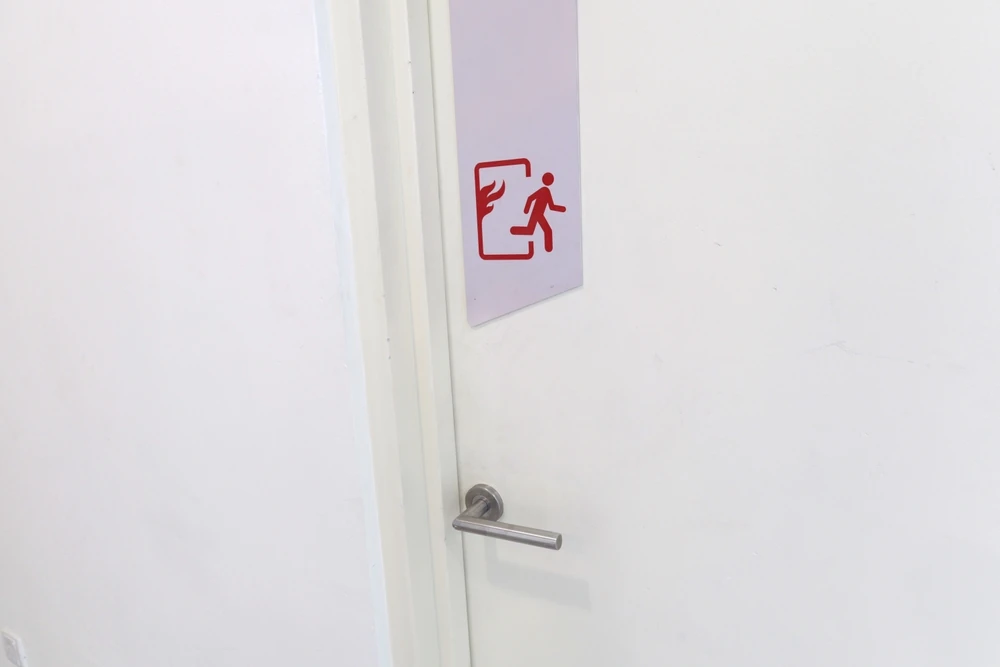
Passive fire protection is designed to sit quietly in the background, so problems rarely announce themselves until a formal inspection or an incident occurs. In day‑to‑day operation occupants focus on comfort, appearance and functionality, not on what is hidden in walls, ceilings or behind riser doors. As a result, defects accumulate gradually and remain invisible to most users and many facilities teams.
Unlike active systems such as alarms or sprinklers, passive systems do not routinely signal when something is wrong. Fire doors still swing, walls still look intact and services still function even when key fire‑stopping elements have been compromised. Normal building use therefore provides very few cues that anything is amiss.
Most passive fire elements are concealed within the fabric of the building, which makes deterioration and damage extremely easy to miss.
Firestopping is typically located in service risers, ceiling voids, behind cladding or within shafts and plant rooms. When new cabling or pipework is installed, penetrations are often made in fire‑rated walls or floors. If these are not correctly re‑sealed with tested fire‑stopping systems, the breach is invisible once ceiling tiles or access panels are closed. To an occupant, the ceiling looks unchanged, although compartmentation has been undermined.
Structural fire protection, such as intumescent coatings on steelwork, is usually hidden behind finishes. Subsequent works that involve grinding, drilling or repainting can reduce the coating thickness below the tested specification, yet no visual change is obvious in occupied areas.
A fire door that has been planed down to clear a new floor finish will still open and close without clearly showing that critical gaps now exceed allowed tolerances. Damaged or missing intumescent strips are easy to overlook because the door leaf and closer still operate. Staff are likely to report a door that fails to latch but rarely notice a slightly enlarged threshold gap.
Similarly, smoke seals that are painted over or perished with age do not trigger complaints because occupants only experience minor draughts or noise leakage. Fire‑resistant glazing with non‑compliant replacements or failed seals looks like ordinary glass and rarely attracts attention until a detailed audit compares markings and specifications.
Contractors create new penetrations to route data cables, ventilation or sprinkler pipes and may rely on generic foam or mortar that is not fire tested for the specific service configuration. Under time pressure and without clear fire‑stopping instructions, such shortcuts are common and seldom questioned by building users.
Housekeeping decisions can also obscure issues. Fire-stopping access hatches are painted and treated as general storage cupboards. Riser rooms and escape corridors accumulate clutter that hides damage to linings or access panels. Cleaning or security staff may wedge fire doors open for convenience, which normalises incorrect door positions and reduces sensitivity to missing closers or defective hardware.
Underlying all of this is limited training. Occupants and non‑specialist maintenance personnel often cannot distinguish a critical fire‑resisting component from a standard element. Without understanding what is at stake, minor alterations are made, labels are removed and visual cues are ignored until a formal passive fire survey or regulatory audit brings the defects to light.
Hidden passive fire defects usually sit where nobody routinely looks: behind ceiling tiles, within risers and around services threaded through walls and floors. These areas often appear tidy from the occupied side of a compartment yet conceal missing, damaged or improvised firestopping that only becomes obvious during a detailed fire audit or inspection.
The common thread is that penetrations and voids are created or altered repeatedly over the life of a building. Each new cable, duct or pipe is an opportunity for the original compartmentation to be compromised if not properly sealed with tested fire‑resistant systems.
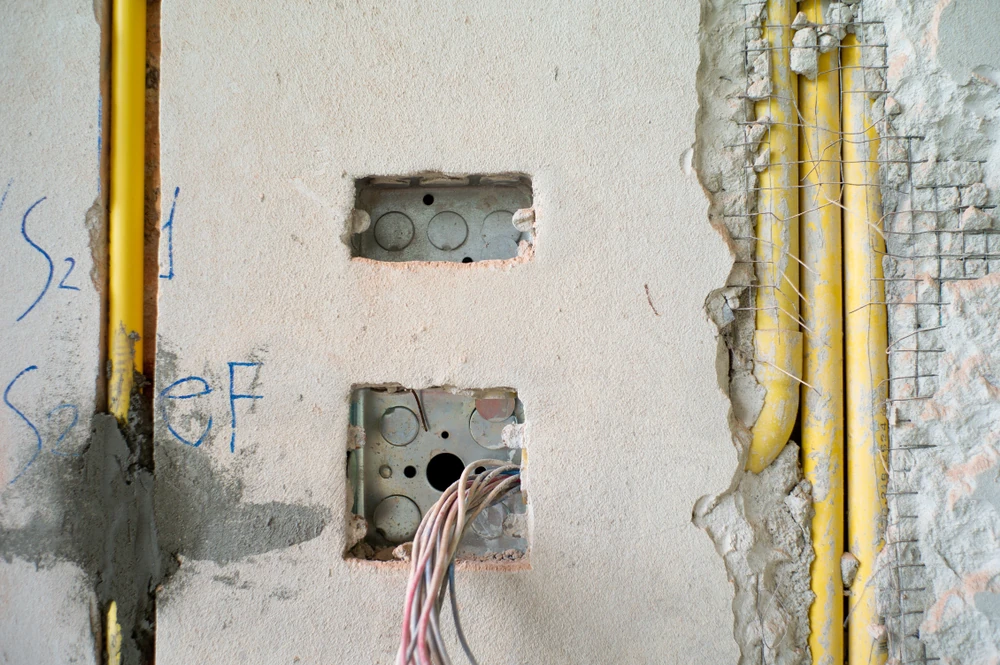
Every opening in a fire‑resisting wall or floor must be sealed to the same fire rating as the element it passes through. In practice, this is where many defects occur. Typical issues include oversized holes drilled for convenience, then loosely backfilled with mineral wool or scrap insulation with no intumescent sealant. Older buildings often reveal plastic pipe penetrations without collars or wraps, so in a fire, the pipe softens and leaves a clear path for smoke and flame.
Cable trays and bundled data cables are another frequent weak point. Non‑fire‑rated foams, packing or ordinary mastic are still commonly found around telecoms penetrations in plant rooms and IT risers. These materials may disappear within minutes of fire exposure, leaving a full‑bore opening through a compartment line. Ductwork can also be incorrectly sealed where it passes through a wall with flexible duct wrap but no appropriate fire damper at the compartment boundary.
Ceiling voids often create a false sense of security. A plasterboard or grid ceiling might look like a barrier, yet it usually has little or no fire rating unless specifically designed and documented as part of the compartment line. More commonly, the true fire‑resisting element is the slab or rated partition above the ceiling, which is concealed from everyday view and difficult to inspect.
Defects arise where partitions are built only up to the underside of the suspended ceiling instead of to the structural soffit. This leaves continuous voids that allow fire and smoke to bypass what appears to be a compartment wall. Similarly, fire‑stopping around penetrations at the slab level may be completely hidden by ceiling tiles. Later works, such as lighting upgrades, new air‑conditioning or additional cable runs, can disturb or remove firestopping without any formal inspection.
Service risers, vertical shafts and horizontal service voids are prime locations for hidden fire defects because they concentrate multiple trades over long periods. Fire‑rated riser doors might be installed correctly, while behind them the shaft contains unsealed cable bundles and floor slabs with ad‑hoc patching using non‑rated mortar or foam. As tenants change and systems are upgraded, old openings are reused, enlarged or partially blocked, creating complex penetrations that do not match any tested firestopping detail.
Concealed voids behind kitchen units, in bathroom boxing or above bulkheads can also interrupt fire‑resisting linings. For example, pipework boxed out along a corridor may bridge two compartments if the boxing penetrates both sides without internal firestopping. These areas are rarely opened except during refurbishment, so defects can remain undetected for many years until a compliance survey or inspection requires systematic access to all service routes.
Passive fire protection can leave the design stage in full compliance yet quietly unravel over the life of a building. Later refurbishments, reactive repairs and service upgrades often breach fire compartments, compromise firestopping or alter routes for services, all without triggering a fresh fire review. These changes are typically small, piecemeal and undocumented, which is why defects often remain hidden until a formal fire or building safety audit.
Most building users and even many contractors assume that if a project has a completion certificate, the passive fire strategy is fixed for the life of the building. In reality, every new cable run, ventilation change or partition alteration can undermine that original strategy if not properly coordinated and signed off.
Service trades frequently create new penetrations in fire‑resisting walls, floors or risers to route additional power, data or pipework. Under time pressure and budget constraints, proper firestopping of these openings is often missed or handled with inappropriate materials.
Common patterns include new data bundles installed through core holes that were never sleeved or sealed to a tested detail and replacement pipework pushed through existing openings that are enlarged on site, leaving gaps around penetrations. Electricians may install extra distribution boards or EV charging supplies and route cables along the shortest path through compartment lines without fire‑rated seals.
Routine maintenance and emergency repairs can gradually degrade fire resistance if passive fire measures are not explicitly considered. This erosion is often incremental, which makes it particularly difficult to spot without systematic inspection.
Typical issues include maintenance operatives removing intumescent collars or wraps to replace a damaged pipe and failing to reinstate them correctly. Ceiling tiles in fire‑resisting ceilings are replaced with non‑rated alternatives for convenience. Fire‑resisting doors are planned to stop binding or have gaps around frames filled with standard foam that is not fire-rated. HVAC contractors may alter duct routes or remove fire dampers that are difficult to access, then leave access hatches or duct penetrations unprotected.
Refurbishment projects and change of use works often involve multiple trades working simultaneously to aggressive programmes. Where fire strategy drawings are outdated or missing, each trade tends to optimise its own installation with little regard for compartmentation.
Design changes during construction, value engineering decisions or contractor substitutions of fire‑rated products with cheaper alternatives can further dilute performance. Without robust change control and recorded approval by a competent fire professional, these alterations are rarely apparent later. The result is a building that appears compliant on paper, yet contains a patchwork of hidden weaknesses that only become evident during detailed, intrusive audits.
Passive fire defects frequently persist for years because the information trail around them is fragmented, incomplete or never created in the first place. When original design intent product data and installation records are missing or unclear, inspectors and building operators have little basis for judging what is correct or noncompliant. This information vacuum allows seemingly minor alterations or repairs to undermine compartmentation and penetration protection without anyone realising.
Inspection practices often focus on visible life safety features while treating hidden passive systems as an afterthought. Without structured inspection protocols that link directly to documentation and fire strategy objectives, many passive fire issues remain invisible until a comprehensive building audit for code or insurance purposes exposes them.
Many buildings lack a clear fire strategy report or an as‑built fire safety file that sets out how compartmentation and fire resistance are intended to work. Common gaps include:
Without these references, it is difficult for maintenance teams or minor works contractors to understand which walls are fire-rated, which floors form compartment boundaries or what systems are approved for service penetrations. As a result, new cabling pipework or ductwork is often run through critical barriers and then patched with non‑rated materials that visually resemble compliant fire‑stopping.
Defects frequently arise long after practical completion because handover processes and change control are weak. Operation and maintenance manuals rarely contain clear instructions on preserving compartment lines or on acceptable methods of alteration. Subsequent fit‑outs, IT upgrades or mechanical changes are carried out under time pressure with little technical oversight.
Each contractor may close openings differently, often with generic sealants or improvised fire collars. Without a requirement to update compartment drawings or penetration registers, each intervention is treated as isolated work rather than part of an integrated fire strategy. The cumulative effect is a patchwork of untested details that only becomes apparent when an invasive survey or regulatory audit is undertaken.
Routine inspections and statutory checks typically prioritise alarms, sprinklers, emergency lighting and extinguishers. Passive measures inside risers above suspended ceilings or behind linings receive minimal attention because accessing them is disruptive and time-consuming.
Where passive fire inspections are performed, they are often visual only and not referenced back to product approvals or original design data. Inspectors can confirm that something is present around a penetration, but not that it provides the specified fire resistance rating or continuity of compartmentation. Without checklists that tie inspection points to specific walls, floors and tested systems, many defects are simply not identified until a full building compliance audit requires detailed sampling, photographic evidence and traceable product information.
Building audits tend to uncover a consistent pattern of hidden weaknesses in passive fire protection that routine maintenance and visual checks overlook. When auditors start opening up ceilings, plant rooms and service risers, they often find that systems assumed to be compliant at handover no longer provide the fire and smoke compartmentation that the design relied on.
Most of these issues relate to alterations, undocumented repairs and products installed in ways that do not match their tested configuration. The result is a building that appears compliant on paper yet would not perform as expected in a real fire.
One of the most common findings is defective or missing firestopping where pipes, ducts and cables penetrate walls and floors that are meant to be fire resisting. These are often concealed behind ceiling tiles or within risers, so problems remain invisible until an audit requires targeted access.
Typical audit discoveries include sealant that has shrunk away from substrates, combustible foam used in place of tested firestopping systems and fire pillows or batts displaced to make room for new cabling. Unlabelled penetrations are also frequent, which makes it impossible to verify if the correct system was used or if its rating matches the compartment it is protecting.
Compartment walls and floors are designed as a continuous barrier, yet audits often show that later works have punched holes in these barriers with no fire protection reinstated. This is prevalent in service risers, plant rooms and behind built‑in joinery where access is restricted and oversight is limited.
Findings typically include unprotected openings around ductwork, poorly sealed cable trays running through multiple compartments and ceiling voids that do not match the fire resistance of the structure below. In some cases, plasterboard linings have been removed for access to services and then patched with non‑rated materials that do not provide the same fire performance.
Fire-resisting shafts for lifts and services are also a regular source of defect. Audits reveal unsealed gaps at shaft heads and bases, ad-hoc access panels with no fire rating and timber or plastic elements intersecting with shaft walls that compromise integrity.
The persistence of hidden passive fire protection defects until formal building audits is not incidental but the predictable outcome of limited visibility, fragmented accountability and insufficient verification throughout a building’s lifecycle. Concealed fire barriers, penetration seals and structural fire protection systems are vulnerable to incremental change, where minor and often undocumented interventions accumulate into failures of compartmentation. Integrating passive fire performance into broader building management and compliance frameworks ensures that hidden defects are identified and rectified early, reducing risk to life safety, asset integrity and regulatory exposure before formal audits reveal underlying vulnerabilities.