

How New Passive Fire Technologies Are Simplifying Compliance in 2026
December 9, 2025
Meeting today’s fire safety obligations has become more complex than ever, especially as the construction sector balances modern building methods with evolving regulatory expectations. While passive fire solutions have long been the backbone of compliance strategies, 2026 introduces stricter frameworks and faster auditing cycles that push building owners, certifiers and contractors to adopt smarter systems. Here at IECC, we reflect a global push towards performance-based, fully traceable fire safety practices. As regulations demand clearer documentation, reliable installation quality and long-term verifiability, emerging passive fire technologies are reshaping how buildings achieve and maintain compliance.
This article explores the key innovations driving that shift and how they’re transforming the way fire safety is delivered in 2026.
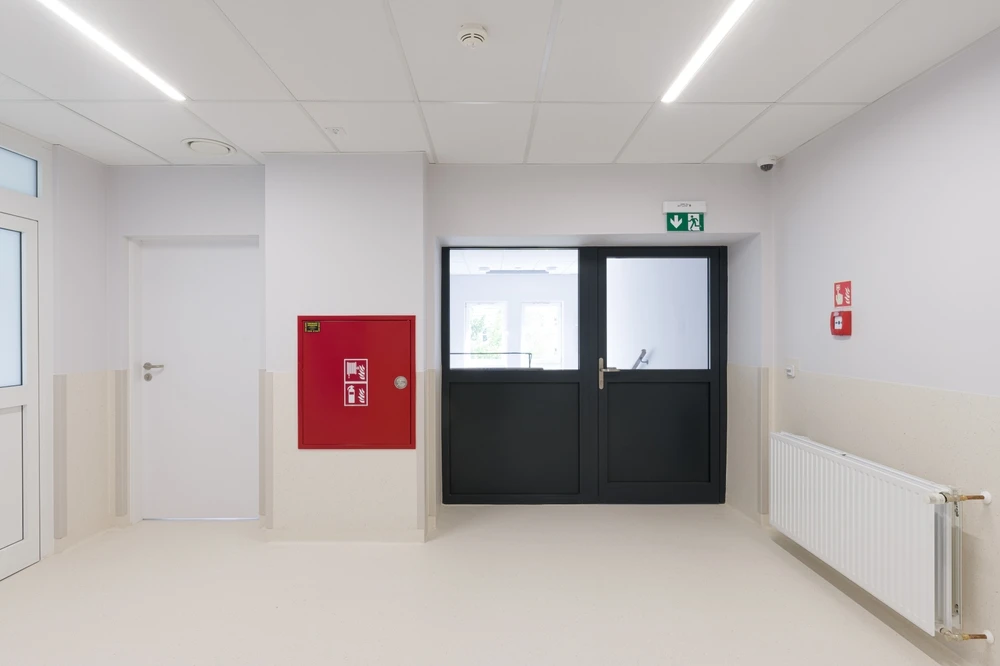
The regulatory environment that governs fire safety has become more demanding, and while this is a positive step for occupant protection, it also exposes vulnerabilities in how buildings are designed, documented and audited. Because multiple trades interact with the same fire-rated systems during a project, information often becomes scattered or lost. This fragmentation is one of the biggest contributors to compliance issues. Before exploring the new technologies that simplify compliance, you must understand the persistent challenges that modern buildings face today.
Even with advanced construction methods and clearer codes, compliance failures continue to appear because the building process remains highly fragmented. Designers, installers, contractors, certifiers and maintenance teams all touch the same fire-rated elements at different times, making miscommunication a frequent risk. Inadequate supervision, rushed schedules and inconsistent product knowledge lead to errors that compromise long-term compliance. Common reasons failures still occur include:
Documentation is the backbone of passive fire compliance, yet it is also the area where many buildings fall short. Missing product sheets, outdated certificates and incomplete installation photos can cause delays during audits or, in many cases, lead to failed assessments altogether. As more states require yearly submissions and digital trails, the audit process increasingly depends on accurate, readily accessible documentation. Without proper documentation:
Updates emphasise measurable performance, verified installation, material consistency and digital record-keeping. The introduction of tighter clauses around firestopping, penetrations, cavity barriers and maintenance obligations means buildings can no longer rely solely on manual supervision or traditional paper trails. Key regulatory pressures include:
The materials used in passive fire protection have evolved dramatically, with manufacturers developing products that reduce the likelihood of installation errors, extend maintenance cycles and improve performance consistency. Building owners and contractors are increasingly selecting systems engineered with compliance in mind: materials that not only meet standards but also make documentation and long-term performance easier to achieve and verify.
Pre-certified firestopping and fire-resistant systems offer installers a clearer pathway to compliance by eliminating much of the guesswork. These systems come fully tested, approved and packaged with detailed installation instructions, making it harder for mistakes to occur on-site. They improve reliability by:
As buildings become larger, more complex and exposed to harsher environmental conditions, the demand for fire-protective coatings that can withstand long-term wear has increased dramatically. Traditional coatings often required frequent inspections and reapplication, placing an ongoing burden on building owners and maintenance teams. In response, manufacturers have developed advanced intumescent coatings and fire-resistant paints that offer improved durability, ensuring that critical structural elements remain protected for longer periods with less intervention. These innovations are reshaping maintenance strategies by reducing downtime, lowering costs and providing greater confidence during compliance checks. By extending maintenance intervals, these coatings offer a more predictable compliance pathway.
Despite improvements in training and standards, passive fire installations can still vary depending on installer experience, site conditions and product familiarity. Inconsistent application is one of the leading causes of audit failures, making reliability a top priority for contractors and compliance professionals. To address these challenges, manufacturers are producing next-generation materials designed to deliver consistent performance across all installation environments. These engineered systems minimise variability, reduce the need for extensive supervision and make it easier for teams to meet the strict tolerances required in modern compliance frameworks.
Consistency is vital in fire protection, especially when multiple installers work across a project. New materials are being formulated to deliver repeatable results regardless of installer skill level, environmental factors or variations in application technique. These materials provide:
Digital innovation has become one of the strongest drivers of improved fire-safety compliance. As buildings adopt smarter systems and connected devices, monitoring and verifying passive fire measures have become more accurate, streamlined and transparent. Tools such as IoT sensors, cloud-based dashboards and automated reporting platforms now support annual audits, improve asset management and ensure issues are detected well before they compromise compliance.
IoT-enabled sensors can now be embedded within fire barriers, risers or high-risk penetrations to provide ongoing, real-time condition monitoring. This technology gives building managers unprecedented visibility into elements that traditionally required manual inspection. Real-time data is then transmitted to dashboards or compliance platforms, ensuring issues are resolved early. IoT sensors can monitor:
Cloud dashboards consolidate inspection records, maintenance logs, installation photos and sensor data, all in one digital environment. This centralised system simplifies audit preparation by eliminating paper trails and lost documents. Buildings that adopt cloud-based systems report shorter audits and fewer compliance queries. Cloud dashboards support:
Automated compliance alerts ensure no issue goes unnoticed, even when maintenance teams are stretched thin. These alerts notify managers when fire barriers are compromised, when inspections are due or when materials display abnormal behaviour. Here are some alerts you will typically see:

Traceability has become one of the most important aspects of passive fire compliance. QR codes and digital tags now offer a fast, reliable method for linking installations to documentation, certification, photos and maintenance records. This modern approach eliminates the confusion caused by paper trails and allows auditors to verify compliant installations instantly while on-site.
One of the biggest challenges during passive fire audits is the time-consuming process of matching physical penetrations with the correct documentation. Paper-based records, scattered files and inconsistent labelling often slow down verification and create unnecessary disputes. QR-coded penetrations solve this problem by giving every fire-rated opening a unique, scannable digital identity. This technology allows inspectors to verify compliance on the spot, reducing delays and improving accuracy across large and complex buildings. With a single scan, all relevant information becomes instantly accessible, transforming how teams approach audits and routine inspections.
As compliance demands intensify, the industry has moved beyond simple QR labelling towards more sophisticated digital tagging systems. These tags provide a permanent, traceable identity for each fire-rated element, ensuring that no matter how many audits, renovations or contractor changes occur, the entire history of that component remains accessible. This level of transparency eliminates uncertainty, strengthens accountability and reduces the administrative burden on building owners and assessors. By embedding every installation with a digital trail, compliance becomes easier to manage, verify and maintain over the building’s entire lifecycle.
Audit delays often stem not from issues with passive fire systems themselves, but from fragmented, inconsistent or missing documentation. When certifiers spend valuable time tracking down certificates, installation photos or maintenance logs, audits take longer, reinspections escalate costs and compliance risks increase. Centralised digital record-keeping eliminates these obstacles by giving all stakeholders a single source of truth. With every document stored, organised and instantly accessible, audits become faster, smoother and far more accurate, allowing buildings to meet strict regulatory deadlines with confidence.
Strata bodies, certifiers, building managers and fire safety assessors are increasingly turning to digital and pre-certified systems to avoid penalties and ensure timely annual submissions. The city’s density, complex building structures and heightened public expectations all contribute to a strong push towards smart compliance tools.
Stakeholders are demanding higher-quality compliance outcomes than ever before. Strata committees want predictable maintenance, certifiers require stronger documentation and assessors expect evidence-backed installations. The result is faster adoption of digital traceability and smarter materials. This increased pressure is driven by:
High-density towers feature extensive service penetrations, intricate riser networks and dynamic tenant churn, each creating new firestopping challenges. Smart compliance tools help owners manage this complexity with automated reporting, digital mapping and reduced manual oversight. The benefits of high-density buildings are the following:
The annual fire safety statement process requires detailed evidence that every passive fire measure is functioning correctly. With stricter scrutiny applied to penetrations, passive fire products and maintenance documentation, tech-driven compliance platforms are becoming essential tools rather than optional add-ons. This alignment helps building owners avoid penalties tied to inaccurate or late submissions. New technologies support reporting by:
The future of passive fire compliance is heading towards greater automation, predictive maintenance and deeper integration of digital models. As buildings become more complex, technologies that streamline verification and minimise human error will continue to evolve. Manufacturers, software developers and regulators are collaborating to create systems that support long-term safety with less manual effort and clearer accountability.
AI-powered platforms will soon analyse large sets of sensor data, historical maintenance patterns and environmental information to forecast fire-safety risks before they occur. This proactive approach decreases the likelihood of failure and reduces emergency repairs. Future AI tools may offer:
BIM and digital twins provide a real-time, highly detailed model of a building’s fire-safety systems. As passive fire technologies integrate more seamlessly with these platforms, stakeholders will gain unprecedented traceability and accuracy. Here are some of the integration advantages:
Manufacturers are now developing materials that “communicate” performance indicators automatically, providing measurable data without the need for invasive inspections. These next-generation systems will help streamline audits and reduce ambiguity. These materials may offer:
As 2026 reshapes fire-safety expectations, one thing has become clear: compliance is no longer just a regulatory obligation; it’s a long-term operational strategy. Buildings today face more scrutiny, more documentation requirements and tighter reporting cycles, making traditional methods increasingly inefficient and risky. As regulations continue to evolve, the buildings that adapt early will be the ones best positioned to stay compliant, reduce risk and maintain operational resilience. If you’re ready to modernise your fire-safety strategy, now is the time to act. Contact us today to streamline your passive fire compliance. Let’s build a safer, audit-ready future together.