

NCC Compliance Requirements for Passive Fire Penetration Sealing
February 6, 2026
Passive fire protection in Sydney commercial and high rise developments relies heavily on effective penetration sealing. Every service that passes through a fire rated wall or slab has the potential to compromise the building’s compartmentation if it is not protected with a compliant, tested system.
Under the National Construction Code, penetration sealing is not a minor construction detail. It forms part of the overall fire resistance performance of the building and is subject to increasing scrutiny during certification and audit processes. Through our work across Sydney projects, IECC has seen that confusion often arises around NCC requirements, acceptable test evidence and documentation expectations.
This article explains the compliance framework for passive fire penetration sealing, outlines the relevant NCC requirements, and examines the common issues that arise during inspections in high rise environments.
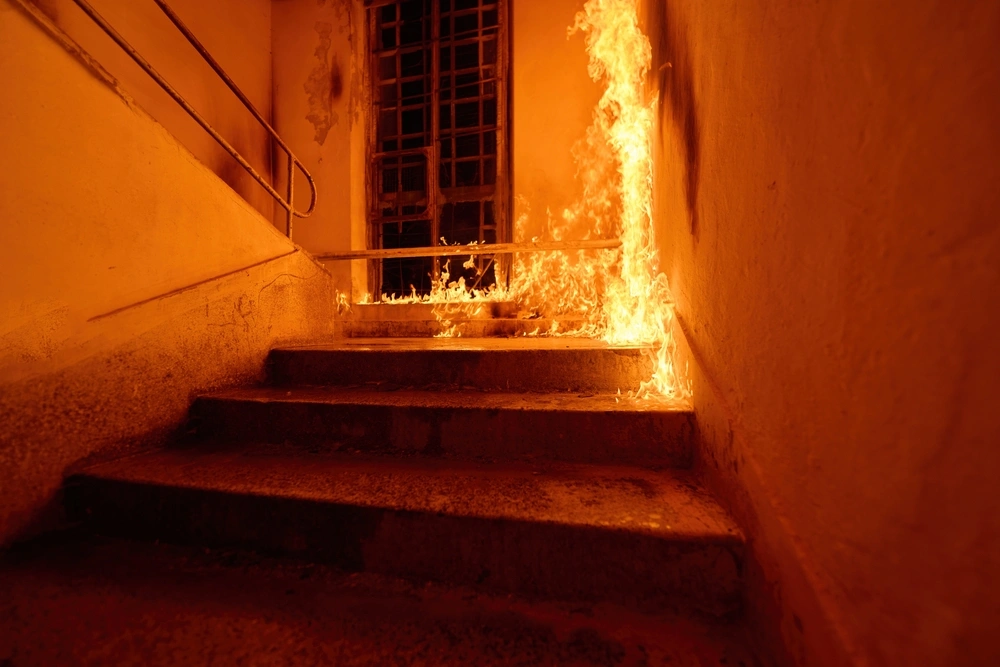
The fire safety design of a commercial building relies on compartmentation. The National Construction Code requires certain walls, floors and shafts to achieve a specified Fire Resistance Level so that fire and smoke are contained within defined areas for a required period.
When services such as electrical conduits, plumbing pipes, cable trays or mechanical ductwork pass through these fire rated elements, the integrity of the barrier is interrupted. If these penetrations are not protected with an appropriate fire stopping system, they create a pathway for flame, heat and smoke to spread beyond the intended compartment.
To remain compliant, the penetration sealing system must be tested for the specific configuration and installed in accordance with that tested system. This includes matching the construction type, service type, gap size and required Fire Resistance Level. Using products outside their tested parameters, or altering the installation method, can invalidate compliance.
In high rise and mixed use buildings across Sydney, the number of service penetrations can be significant. Multiple trades may introduce services at different stages of construction, and additional penetrations are often created during fit out or refurbishment. Without proper coordination and inspection, non compliant penetrations can undermine the building’s fire performance.
Penetration sealing therefore supports the core fire resistance of the building. It is not simply about closing gaps. It is about maintaining the intended performance of fire rated construction under the NCC.
Under the National Construction Code, penetrations through fire rated walls, floors and shafts must not reduce the required Fire Resistance Level of the element. Where a building element is required to achieve a specified FRL, any service penetration must be protected so that the integrity and insulation performance of that element is maintained.
In Volume One of the NCC, this requirement sits within the fire resistance provisions for building elements. The Code allows compliance to be achieved either through Deemed to Satisfy provisions or through a Performance Solution. In most commercial projects, penetration sealing is addressed using Deemed to Satisfy pathways supported by tested systems.
The NCC references AS 4072.1 for the protection of openings in fire resisting elements. This Australian Standard sets out the requirements for fire stopping systems, including testing criteria and performance expectations. To be compliant, the fire stopping system must:
It is not sufficient to use a product that is generally described as fire rated. The system must reflect the tested configuration, including annular gap size, backing materials, sealant depth, collars or wraps where required, and any supporting construction details.
Where services are grouped together, oversized, or installed in arrangements outside tested parameters, compliance cannot be assumed. In these situations, a Performance Solution supported by appropriate fire engineering assessment may be required.
Importantly, the NCC also requires that fire resisting construction continues to perform as intended over the life of the building. This means that penetration sealing must not only be installed correctly during construction, but also maintained when additional services are introduced during future works.
For project teams in Sydney, clear specification of tested systems, coordination between trades, and verification against NCC and AS 4072.1 requirements are essential to avoiding non compliant installations that may later require costly rectification.
Meeting NCC requirements for passive fire penetration sealing involves more than selecting and installing a tested system. Compliance must be supported by clear and verifiable documentation suitable for certification and audit review.
Building certifiers, fire safety engineers and auditors typically expect evidence that each penetration has been protected in accordance with a tested system. This evidence may include:
One of the most common issues encountered in Sydney projects is the absence of consistent record keeping. Even where compliant products have been used, insufficient documentation can delay certification or trigger further inspection requests.
Another recurring issue is mismatch between what is specified and what is installed. Product substitutions, altered service arrangements, or variations in gap size can invalidate the tested system. Without clear installation records and traceability, it becomes difficult to demonstrate compliance retrospectively.
In high rise developments, where hundreds or thousands of penetrations may exist, maintaining a structured documentation process is essential. This is particularly important when multiple trades are responsible for creating penetrations at different stages of the build.
Effective verification processes reduce the risk of late stage audit findings, minimise rework, and provide building owners with a clear compliance trail for future inspections or insurance reviews. For facility managers, maintaining updated penetration registers is also critical when new services are introduced during refurbishments or tenant works.
Clear documentation does not simply support initial certification. It forms part of the ongoing compliance framework for the life of the building.
High rise construction in Sydney presents specific challenges for passive fire penetration sealing. The scale and complexity of services within multi storey commercial and mixed use buildings significantly increases the number of penetrations that must be properly protected.
One of the most common issues is late stage service installation. Electrical, mechanical and hydraulic trades often work concurrently, and additional penetrations may be introduced after initial fire stopping works have been completed. If these penetrations are not captured within the fire stopping scope and documented appropriately, gaps in compliance can occur.
Grouped services and oversized openings also create challenges. Where multiple cables, pipes or conduits pass through a single penetration, the configuration may fall outside the tested parameters of standard fire stopping systems. Without careful review against tested system details, there is a risk that the installed solution does not achieve the required Fire Resistance Level.
Access limitations in high rise environments can further complicate installation quality. Congested risers, ceiling voids and plant rooms often restrict working space, which can lead to incomplete sealing, insufficient sealant depth or missing backing materials. These defects are frequently identified during audits.
Refurbishments and tenant fit outs are another common source of non compliant penetrations. Services are sometimes added to existing fire rated elements without coordination with the original fire stopping strategy. Over time, undocumented modifications can undermine the building’s compartmentation performance.
Water ingress and building movement can also affect long term performance. In some cases, poorly selected systems or incorrect installation methods may deteriorate over time, particularly in plant rooms or basement areas exposed to moisture.
For project teams and building managers in Sydney, these challenges highlight the importance of early coordination, ongoing inspection and maintaining an up to date penetration register. Addressing these risks proactively reduces the likelihood of audit findings and costly rectification works in complex high rise environments.
During fire safety inspections and compliance audits, penetration sealing is assessed as part of the overall passive fire protection strategy of the building. Auditors are not simply checking for the presence of a fire stopping product. They are assessing whether the installation maintains the required Fire Resistance Level of the fire rated element.
One of the first checks is whether penetrations are sealed at all identified locations. Unsealed openings in risers, ceiling voids, plant rooms and service corridors are a common finding. Even small gaps around cables or pipes can be flagged if they compromise compartmentation.
Auditors then review whether the installed system appears consistent with a tested configuration. This includes checking:
Where grouped or complex services are present, auditors may question whether the system used is supported by appropriate test evidence or fire engineering assessment.
Documentation is also reviewed. Auditors typically request penetration schedules, system details and evidence of compliance with AS 4072.1. Inconsistent or incomplete records can lead to further investigation, even where the physical installation appears compliant.
In high rise buildings, particular attention is often given to vertical service risers and intertenancy separations. These locations present higher risk for vertical or horizontal fire spread and are frequently prioritised during inspections.
Ultimately, the audit process is focused on verifying that the fire resisting construction performs as intended under the NCC. Clear installation practices, traceable documentation and consistent quality control significantly reduce the likelihood of adverse findings.
Effective penetration sealing begins at the design stage. Clear specification of fire rated elements, required Fire Resistance Levels and approved fire stopping systems reduces ambiguity once construction is underway. Where documentation lacks clarity, inconsistencies often emerge during installation.
Architects and fire engineers play a key role in defining compartmentation requirements and identifying fire rated construction. These details must be translated clearly into construction documentation so builders and service trades understand which elements require compliant sealing and to what standard.
During construction, coordination between trades is essential. Mechanical, hydraulic and electrical contractors may introduce penetrations at different stages of the build. Without a structured process to track new openings, gaps in fire stopping can occur. Assigning responsibility for identifying, sealing and recording penetrations helps reduce this risk.
Pre-installation review of tested systems against actual site conditions is also important. Service groupings, oversized openings or atypical configurations should be identified early so that appropriate tested systems or fire engineering assessments can be arranged before installation proceeds.
At project completion, a coordinated handover process should include:
For facility managers, maintaining this information is critical when new services are introduced during future works. Each additional penetration must be assessed and sealed in accordance with NCC requirements to preserve the building’s fire performance over time.
Strong coordination across design, construction and maintenance phases significantly reduces compliance risk and supports consistent passive fire performance throughout the life of the building.
Penetration sealing is a critical component of passive fire protection in Sydney commercial and high rise buildings. To meet NCC requirements, systems must be tested in accordance with AS 4072.1, installed correctly and supported by appropriate documentation.
Clear coordination during design and construction, along with accurate record keeping, reduces the risk of non compliance and future rectification. When properly managed, penetration sealing preserves the intended fire performance of the building throughout its lifecycle.