

Passive Fire Compliance Tips for Sydney Strata Audits
February 9, 2026
Passive fire safety has become a critical focus for strata communities as regulators, insurers and residents demand clearer proof that buildings can perform when it matters most. IECC has seen a marked increase in strata audits across the city, with particular scrutiny on passive fire measures that are often hidden behind walls, ceilings and services. In this article, our passive fire specialist explores practical compliance tips that help understand how passive fire systems should be designed, documented, inspected and maintained to meet current expectations during audits.
Readers will gain clarity on core areas that frequently trigger non-conformances in strata audits. We also highlight common pitfalls in existing buildings, outline how to prepare for an audit and explain how proactive inspections and maintenance can reduce rectification costs and audit stress. Strata stakeholders will understand what auditors look for and why each element of passive fire protection is vital to life safety, asset protection and long-term compliance confidence.
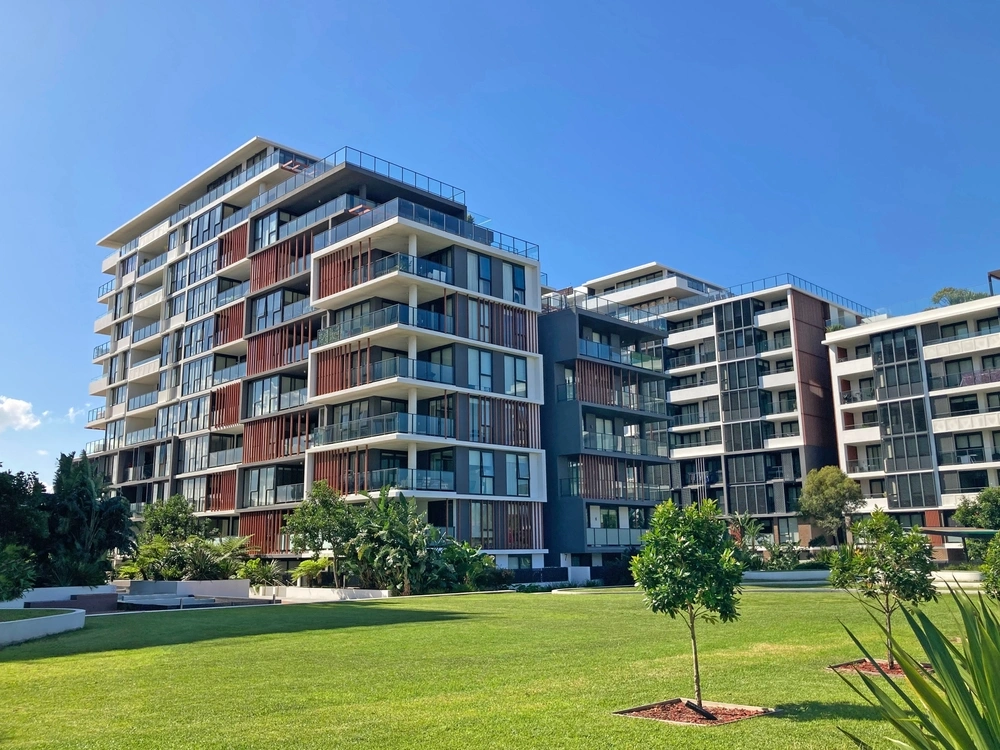
For Sydney strata buildings, passive fire compliance is about ensuring the building can contain fire and smoke long enough for occupants to escape and for Fire and Rescue NSW to respond. It is not just a paperwork exercise; it is a mix of correctly designed fire-rated construction, properly installed protection systems and ongoing maintenance that stands up to council audits and Annual Fire Safety Statement (AFSS) requirements.
We view passive fire compliance as the backbone of life safety in apartments. Active systems, like sprinklers and alarms, only work effectively if fire and smoke are restricted to the area of origin. In practice, that means every penetration, door, wall and ceiling that forms part of the fire-resisting structure must perform exactly as intended under the Building Code of Australia and relevant Australian standards.
In strata complexes, passive fire elements are designed to compartmentalise the building. Fire-rated walls, floors and ceilings separate apartments from each other and from corridors, plant rooms and car parks. Fire and smoke doors protect exits and stairwells, while fire-stopping products seal around services that pass through fire-rated barriers.
Typical passive fire elements include:
Compliance means these elements have the correct fire rating, are installed in tested systems and remain in good condition for the life of the building.
During a passive fire audit, inspectors check that the existing construction aligns with approved fire engineering documentation and BCA requirements. They will look closely at common risk areas, such as service risers, basement car parks and plant rooms where new services are often added without proper fire-stopping.
Auditors typically verify that fire doors close and latch properly, have compliant gaps and undamaged frames and that door hardware and smoke seals are correct. They also assess through fire-rated walls and floors to confirm that tested fire-stopping systems have been used and that labels or documentation identify the product and fire rating.
For strata schemes, this process links directly to the AFSS. Passive fire measures are essential fire safety measures and must be inspected and certified annually. Non-compliances identified in an audit usually need rectification before a competent fire safety practitioner will sign the AFSS.
For owners' corporations, passive fire compliance is a legal duty under the Environmental Planning and Assessment Regulation and related council requirements. Failure can result in council fire orders, penalties and potential liability if a fire causes injury or loss and the building is found non-compliant.
Practically, this means committees should budget for regular inspections, prompt rectification work and careful control of building alterations. Renovations that penetrate fire-rated walls or slabs for plumbing, electrical or data services must be reinstated with compliant fire-stopping systems. Using qualified trades and requesting compliance documentation help maintain a clear audit trail and reduces risk in future strata audits.
This part of a strata audit focuses on whether fire and smoke can spread unchecked through a building or compromise evacuation paths. In strata schemes, we find that passive fire measures are either damaged, altered during renovations or not maintained to meet the National Construction Code and referenced Australian standards.
Understanding these recurring issues helps owners and managers prioritise corrective work before it becomes a safety risk or leads to a failed fire safety statement.
Penetrations through fire‑rated walls and floors are one of the most frequent non‑compliances. Services such as electrical cabling, NBN upgrades, plumbing or air‑conditioning pipework are often run through fire‑rated elements without appropriate fire stopping.
Common examples include unsealed gaps around:
Oversized openings around fire doors or undercut doors that no longer meet the required clearance also compromise separation. During an audit, each junction is checked so it can be rectified using tested systems that match the required fire rating.
Fire and smoke doors are critical for protecting exit paths. But in many strata buildings, they are in poor condition or have been altered over time. Common issues include:
Items such as bikes, prams or stored furniture can reduce tenable evacuation conditions in a fire. Audits check the physical condition of doors against AS 1905.1 and the usability of the entire egress path from apartments to the final exit at street level.
Service risers, plant rooms and ceiling or roof spaces are areas where compliance frequently breaks down because they are out of sight for residents. Eventually, new services are added and older ones decommissioned without proper fire‑stopping.
We commonly find:
In roof and ceiling spaces, insulation, cabling and ductwork are often moved or added without reinstating fire‑rated barriers or access panels. An audit involves opening sample hatches and riser doors to confirm that fire compartments remain continuous, which is essential to limit vertical fire spread through multi‑storey strata buildings.
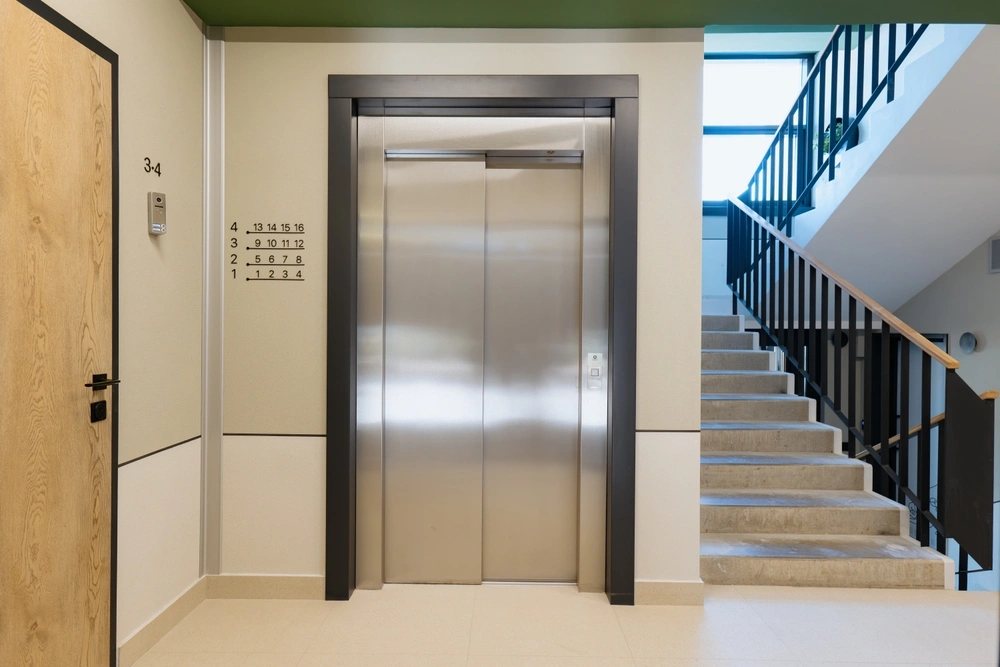
Passive fire non-compliances in buildings are most often found around penetrations, fire doors and service risers. Auditors focus on these areas because they are where essential fire‑resisting elements get cut, drilled or altered during later fit-outs and maintenance.
Although AS 1851 sets maintenance requirements and the NCC sets performance expectations, most failures are practical, not technical. They occur where trades have not followed approved details or where ongoing inspections have been missed. The key is to know the typical risks and put simple controls in place.
Every penetration through a fire‑rated wall, floor or slab must be sealed with a tested fire‑stopping system that matches the substrate and service type. Common problem areas include NBN upgrades, air‑conditioning retrofits, new security cabling and plumbing repairs.
Auditors will check for unsealed or poorly sealed openings around pipes, conduits and cables, particularly in car parks, plant rooms, ceiling spaces and store rooms. Typical defects include gaps filled with foam from a hardware store, crumbling mortar or oversized openings left around bundled services. These are usually non‑compliant because they have not been installed in a tested system or carry no labelling.
We recommend that strata schemes:
Regular visual checks in common areas between annual inspections often identify new unsealed penetrations created by recent works.
Fire doors are critical to compartmentation and safe egress, so auditors examine them closely. Non‑compliances frequently appear in basement doors, stair doors and service room doors that experience heavy use or unauthorised alterations.
Inspectors will check that:
Common issues include doors held open with wedges, missing or painted‑over tags, planing of the door edges to stop binding or aftermarket locks and pet doors cut into fire doors.
Service risers carry multiple services vertically through a building and are often hidden behind locked doors, so they are easily overlooked in routine checks. Because risers intersect many fire‑rated floors and walls, any compromise can quickly allow smoke and fire to spread.
Auditors will look for properly rated riser doors, intact linings, correct fire‑stopping around services at each level and no unauthorised storage within risers. Ad hoc modifications are frequent non‑conformances.
To stay compliant, we recommend controlled access to riser cupboards, clear rules for service providers and periodic internal inspections to confirm penetrations and doors are still intact and appropriately labelled.
Auditors carry out strata fire safety inspections largely by checking what is on paper against what they see on site. If documentation is missing, out of date or inconsistent with the building’s current condition, the audit will almost certainly identify non‑compliances, even if most systems are functioning. For strata schemes, our team recommends treating fire safety records as a live compliance system, not just a filing requirement.
The key is to show a clear, traceable history of design intent, installation, testing and maintenance for all passive and active fire measures. Well-organised documentation also reduces disruption during the audit because auditors can verify items quickly instead of hunting for evidence.
The starting point is the AFSS issued under the NSW Environmental Planning and Assessment Regulation. Strata schemes must keep current and previous AFSS copies, along with any supplementary fire engineering reports or performance solutions that explain how non‑standard designs achieve equivalent safety.
Audit teams typically look for:
If the building relies on fire engineering solutions, all associated reports, modelling summaries and approval letters from the consent authority must be available. Auditors will compare installed passive systems with what documents specify.
Even if design documentation is sound, strata owners must prove that systems have been inspected and maintained at the required intervals. For passive fire measures, this often receives less attention than active systems, yet it is a common source of audit failures.
Strata managers should keep organised records for:
Each record should show the inspection date, technician or contractor, scope of checks, any defects found and evidence that those defects were closed out. Electronic maintenance portals are increasingly accepted by auditors, provided reports are easy to retrieve and clearly linked to specific locations in the building.
Current building plans are essential, particularly fire and evacuation plans that show fire compartments, exits, stair pressurisation systems and locations of fire and smoke doors. Where renovations or fit‑outs have changed layouts, strata schemes should keep updated plans that match what exists on site, not just the original construction drawings.
For passive systems, auditors also expect:
Photographic records can be useful where passive elements are later concealed. While photos do not replace physical inspection, they strengthen the evidence trail and can reduce invasive investigations during a strata fire audit.
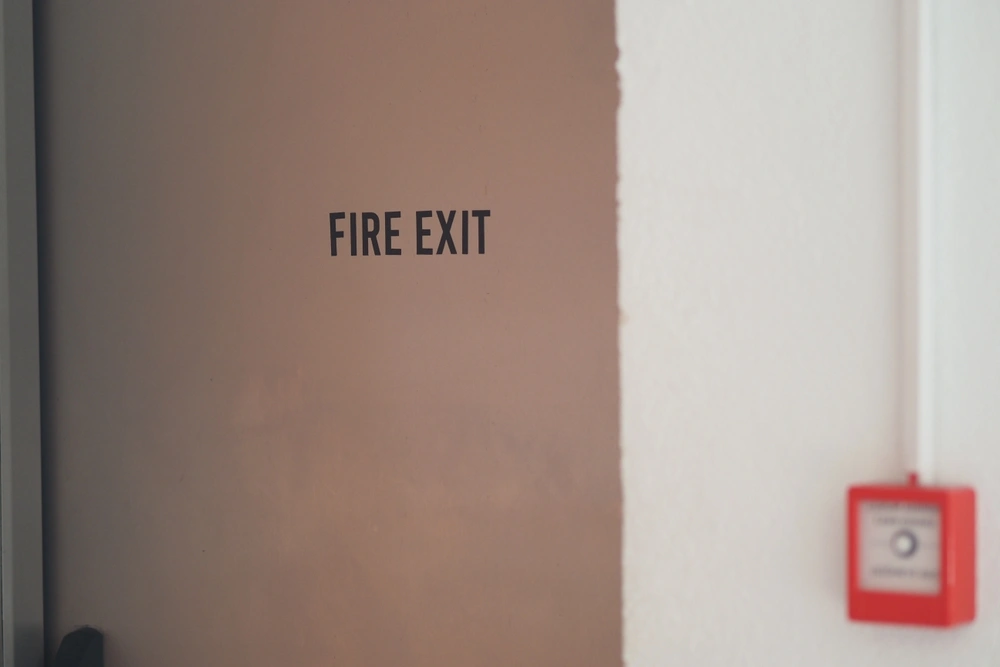
Ongoing maintenance and regular reinspection of passive fire systems are core expectations in strata audits. Auditors are not only checking if compliant products were installed at construction.
As professionals, we help understand what must be inspected, how often it must be checked and who is responsible for each task so that AFSS can be signed with confidence.
In NSW, the Owners Corporation has a legal duty to maintain essential fire safety measures in efficient working order. For most strata buildings, this includes fire doors, fire dampers, fire-rated walls and floors, control joints, fire-stopping to services and fire‑rated access panels.
While active systems like sprinklers and alarms have very prescriptive service intervals under AS 1851, passive systems also require periodic checks aligned with:
For practical purposes, we recommend:
Fire doors are a key focus in strata audits. Inspectors look for intact fire‑rated tags on the door leaf and frame, self‑closers that fully latch, compliant gaps at the head, jambs and threshold and undamaged smoke or intumescent seals. Painting over seals, installing non‑compliant locks or wedging doors open are frequent reasons for non‑compliance.
Service penetrations are another persistent risk. After NBN, air conditioning, security cabling or plumbing upgrades, it is common to find unsealed or poorly sealed ones in fire‑rated risers and corridor walls. We check that:
Fire dampers and fire‑rated access panels also require inspection to confirm they are accessible, not obstructed, correctly closed and not altered during ceiling or ductwork changes. Car park and plant room walls are checked for impact damage, unprotected openings and ad hoc penetrations.
To pass strata audits consistently, clear documentation of maintenance and re‑inspection activities are needed. We encourage strata managers to maintain a passive fire register that logs the location of each fire‑rated element, the date and findings of inspections and any rectification work with product data sheets and photographs.
Only qualified contractors should modify passive fire elements. Electricians, plumbers and data installers must not cut fire‑rated walls or ceilings without approved details and cannot self‑select sealants or collars without test data. We work with strata managers to implement a simple access and sign‑off process, so any trade work that affects fire compartments triggers a re‑inspection before completion.
Effective coordination between the strata manager, passive fire contractors and the fire auditor is essential to passing a strata fire audit without delays or costly rework. Treat fire compliance as a structured project with clear roles, shared information and defined communication channels rather than a series of disconnected inspections and repairs.
When these parties work from the same plan and documentation, defects are identified correctly the first time, rectification work matches NCC and AS 1851/AS 4072.1 requirements and the owners' corporation can show a clear audit trail to council or insurers.
The first step is to define who is accountable for what before the audit starts. The strata manager should act as the coordination point, not the technical expert. We recommend that the strata manager:
The fire auditor’s role is to independently assess compliance, classify defects, reference relevant standards and set priorities. The auditor should not be engaged to “sign off” on incomplete work or design solutions on the fly.
Passive fire contractors are responsible for proposing compliant solutions, installing products with correct approvals and providing evidence such as product datasheets and installation photos. They should confirm in writing which standards and FRLs their work complies with and where any performance solutions apply.
Miscommunication typically occurs when plans, reports and photos are scattered across emails. We advise to:
For more complex buildings, it is often worth holding a short online meeting between the strata manager, auditor and contractor to walk through the report and confirm expectations before work begins.
Sydney strata schemes must balance compliance with resident disruption. We recommend that strata managers work with auditors and contractors to group work by area and access needs. For example:
Residents should be notified of the audit timetable, access requirements and any fire door works that will affect entry to their lot. Clear notices help reduce refusals of entry that can delay audits.
Finally, the strata manager should confirm that all rectification evidence is compiled before inviting the auditor back. When auditors receive complete documentation and can quickly verify each item against the original defect list, reinspection is faster and the scheme is more likely to achieve a clean passive fire report.
The most expensive fire compliance problems usually appear after the audit in the form of fire safety orders, notices to comply and urgent rectification works. Many of these issues are avoidable if the strata manager treats passive fire protection as an ongoing management task rather than a once-a-year obligation.
We help strata buildings avoid failures by focusing on preparation and documentation as much as on‑site firestopping and repairs. Getting the right systems in place before the audit keeps the building compliant and makes any required upgrades more predictable and cost-effective.
A large portion of audit failures in strata buildings comes from incomplete or inconsistent paperwork rather than physical defects. Auditors need to see clear evidence that passive fire systems were installed correctly and maintained in line with the Building Code of Australia and relevant standards.
Owners corporations should ensure that fire doors, fire dampers and fire-rated walls and ceilings are all backed by compliance certificates, product data sheets and installation records. Where historic documentation is missing, we recommend targeted invasive inspections combined with new certification to close gaps.
AFSS must accurately reflect all essential fire safety measures in the building. If new services have been added, the schedule of measures should be updated so firestopping for these services are explicitly covered and not overlooked at audit time.
Many costly rectification orders arise from predictable defects that can be identified and fixed through a pre‑audit inspection. Typical triggers in strata buildings include:
Proactive repair work is usually far cheaper than completing the same tasks under the pressure of a council or Fire & Rescue NSW order with tight deadlines.
Audit failures often stem from unmanaged changes carried out between audits. Renovations in units, new HVAC installations or communications upgrades can all undermine existing fire compartments if not controlled.
Strata committees should implement a simple approvals process that requires owners and contractors to declare any work that penetrates fire-rated walls, floors or ceilings. These works are to be inspected on completion, and photographs and product details are to be stored with the building’s passive fire register.
By integrating passive fire checks into renovation approvals and contractor inductions, the building can prevent incremental damage that accumulates into major non‑compliance leading to notices, disputes and rectification costs.
Robust passive fire compliance across strata assets is not a box-ticking exercise; it is a practical, long-term risk management strategy that protects people, property value and portfolio resilience. By clearly understanding regulatory requirements, defining responsibilities and embedding passive fire measures into the full building life cycle, compliance shifts from a reactive cost to a planned, auditable system. Consistent inspections, disciplined documentation and competent contractor management ensure critical elements perform as intended and stand up to scrutiny during audits. If you want to strengthen your passive fire framework and navigate strata audits with confidence, speak with us here at IECC to get expert, practical guidance tailored to your buildings.