

Common Passive Fire Risks in Industrial Facilities
May 11, 2026
Passive fire protection in industrial facilities is often treated as a “fit and forget” measure, yet it remains one of the most important safeguards for life safety, asset protection and business continuity. Hidden behind walls, ceilings and service risers are systems that rely on intact compartmentation, properly sealed penetrations, compliant fire doors and protected structural elements to slow the spread of fire and smoke.
IECC examines the most common passive fire risks found in industrial facilities, including how routine operational changes, maintenance work and process upgrades can weaken compartmentation and undermine the original fire strategy. By understanding how these risks develop, industrial operators can identify vulnerabilities, restore compliance and strengthen long-term fire safety performance.
Industrial facilities often face a higher baseline of passive fire risk than commercial or residential buildings because of what they contain, how they operate and how they are built. Large fire loads, process equipment, complex layouts and frequent site changes can create conditions where fire starts faster, spreads more aggressively and becomes harder to contain.
Understanding these factors is essential when reviewing whether existing passive fire protection is suitable for the actual hazards on site. Fire-rated walls, floors, structural protection and compartmentation must be assessed against the way the facility is used, not only against generic code requirements.
Industrial sites often store or process materials that produce more intense heat, smoke and toxic gases than typical office or retail environments. These materials can place significant pressure on the fire resistance ratings of structural elements and compartment barriers.
Common contributors include:
When these fuels ignite, they can generate rapid temperature rises and high fire severity. This can challenge the tested performance of fire-rated walls, floors, doors and protected structural elements, particularly where systems have been damaged, altered or poorly maintained.
Industrial plants are rarely simple floor plates. They often include multi-level production areas, mezzanines, concealed voids and extensive service routes for conveyors, cables, ducts and process pipework. These features increase passive fire risk because they create more opportunities for fire and smoke to bypass compartment lines.
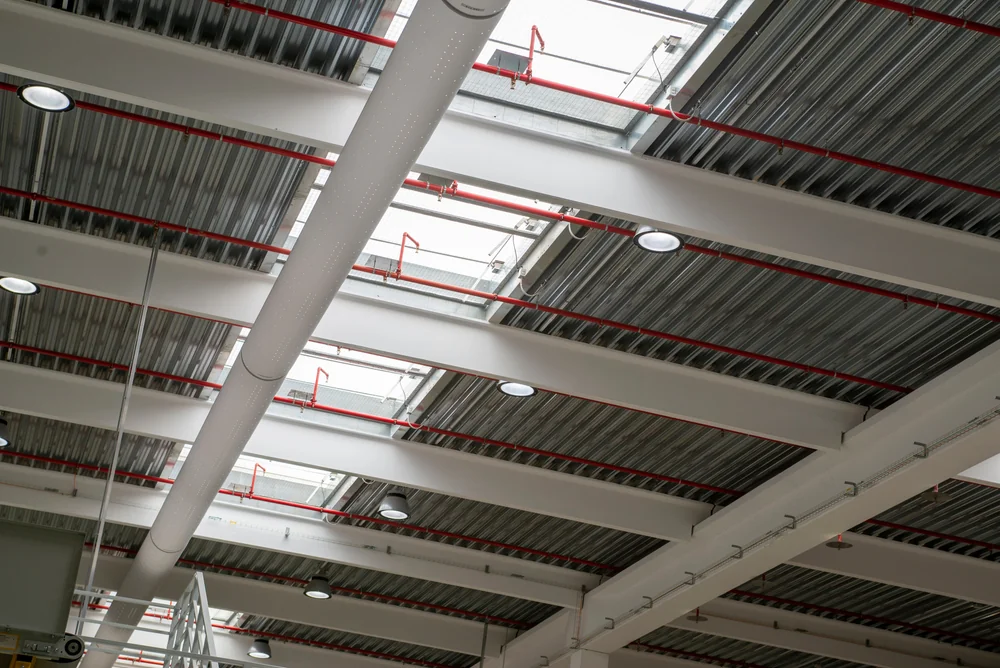
Hidden voids and service risers can allow hot gases and smoke to spread if fire stopping is incomplete, damaged or incompatible with the surrounding construction. Long travel distances between production areas and exits also place greater importance on maintaining compartmentation and structural protection so escape routes remain usable for as long as possible.
Interconnected processing lines can create multiple penetrations through fire-rated walls and floors. Each penetration becomes a potential failure point if it is not properly designed, installed and maintained. Even small gaps around services can defeat the purpose of compartmentation by allowing fire and smoke to move between production halls, storage areas and support spaces.
Industrial buildings often carry heavier structural loads and are subject to frequent physical change as production needs evolve. Heavy plant, suspended services and concentrated storage loads place significant demand on structural frames, slabs and fire-resisting construction.
In a fire, unprotected or inadequately protected steel can heat rapidly, increasing the risk of deflection or collapse even where nominal fire resistance ratings appear compliant on paper. Thermal expansion of long steel members can also affect surrounding fire-rated construction by cracking junctions, shifting barriers or dislodging fire-stopping systems.
Frequent layout changes, new production lines and added services can gradually weaken the original fire strategy. New penetrations through fire-rated elements are often created during shutdowns, upgrades or maintenance works and may not always be resealed using tested fire-stopping systems. Over time, these small changes can create significant passive fire risk.
Unsealed openings around pipes, cables and ducts allow fire, smoke and toxic gases to bypass compartment walls and floors. In many industrial facilities, penetrations are the critical weak link that can turn a contained incident into a much larger emergency.
Fire stopping is designed to restore the fire resistance of walls, floors and ceilings wherever building services pass through them. When penetrations are left open, sealed with inappropriate materials or altered without proper reinstatement, the rated barrier may fail long before its intended fire resistance period.
Modern plants contain numerous penetrations for electrical, mechanical, hydraulic, communication and process services. Even in newer facilities, it is common to find cables passing through oversized holes, pipework installed with loose or incomplete sealing and ducts cutting through partitions without appropriate sleeves, dampers or tested protection systems.
Ongoing modifications often make the problem worse. Additional cables may be pulled through existing fire seals without the opening being properly reclosed. Obsolete pipework may be removed, leaving unsealed holes. Temporary openings created during shutdown works may be left as permanent gaps.
Each change may appear minor on its own, but together they can significantly reduce the effectiveness of the original fire strategy.
Poor fire stopping is often caused by the use of general building products instead of tested fire-resistant systems. Common problems include the use of standard expanding foam, ordinary mastics, exposed mineral wool or cement mortar used on its own. Many of these materials can shrink, crack or fail quickly when exposed to fire conditions.
Effective fire stopping relies on tested systems that match the specific service, substrate and opening configuration. Examples include intumescent collars around plastic pipes, coated mineral wool boards for cable trays and fire-resistant sealants used with appropriate backing materials.
Each system has limits on opening size, service type, wall or floor construction and permitted cable or pipe density. Mixing components or improvising on site can void the test evidence and create uncertainty about how the system will perform during a fire.
Fire-rated walls, doors and barriers are designed to contain fire and smoke within a defined area for a specified period. When these elements are damaged, altered or poorly maintained, fire can spread rapidly through a facility. These passive elements may be the only thing separating high-risk production zones from offices, control rooms, storage areas or evacuation routes.
Damage is often gradual and easily overlooked during daily operations. Forklift impacts, unsealed penetrations, corroded door frames, damaged seals and missing hardware can all reduce the real protection time well below the rating shown on the label or documentation.
Fire-rated walls are commonly weakened by small openings, impact damage or poorly managed service alterations. A minor hole, cracked board joint or unsealed cable route can become a direct pathway for smoke and hot gases.
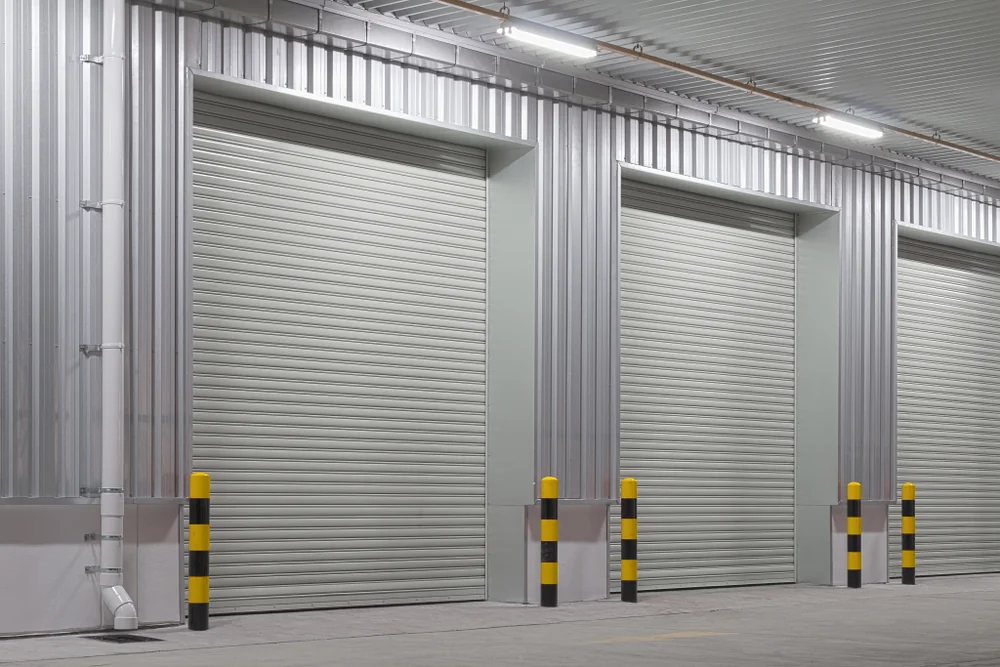
On fire doors and shutters, typical defects include warped leaves, broken glazing, cracked vision panels, failed closers, missing latches and damaged edge seals. A fire door that does not close fully into its frame cannot perform as intended. Excessive gaps around the leaf can also allow smoke and hot gases to bypass the barrier before the door itself fails.
Industrial environments can also damage fire-rated ceilings and bulkheads. Overhead lifting equipment, retrofitted process lines and suspended services can interfere with fire-resistant construction. In humid, corrosive or high-washdown areas, steel frames, hinges and fixings may deteriorate faster than expected, leading to misalignment or jamming.
Seemingly minor modifications can compromise an entire fire rating. Cutting an access hatch into a firewall, installing a non-fire-rated window or replacing a certified fire door with an unrated door leaf can create a weak point that fails long before the surrounding construction.
Service contractors are a common source of unintended compromise. New cabling may be installed through fire walls without a tested fire-stopping system. Removed plant may leave unused penetrations open. Sealants may be applied incorrectly or without reference to tested system requirements, creating a false sense of security.
Where production layouts change, fire compartments may also be opened up informally to improve workflow. Removing parts of a partition for conveyors, access routes or equipment movement can join previously separate fire zones and increase risk to escape paths.
An effective passive fire strategy requires fire-rated walls, doors and barriers to be inspected as part of routine safety management. Inspections should confirm that:
Repairs should follow the original tested or certified system using compatible materials. Improvised fixes, substituted hardware and non-rated patching materials should be avoided. Where certification labels or product records are missing, the system should be verified against design data, installation records or product documentation before any assumptions are made about performance.
Alterations to plant layout are among the most common ways fire compartmentation is quietly defeated. New machinery, production lines, storage areas and service routes are often installed under time pressure, with limited review of how they interact with existing fire walls, doors, ceilings and escape paths.
Passive fire protection is only effective if fire-resisting elements remain continuous and intact. Any change that pierces, bridges, blocks or overloads rated construction can allow fire and smoke to spread between compartments earlier than the original design intended.
Process changes often move machinery closer to fire-resistant walls or introduce new fire loads into areas not originally designed for them. Conveyor runs and automated lines may pass through compartment walls or above fire doors, where simple openings are sometimes cut to allow the line to continue.
Before major equipment is moved or installed, the building’s fire strategy should be reviewed. Where production lines must cross compartment boundaries, tested fire-resistant conveyor shutters, fire-stopped openings or fire-rated transfer systems may be required.
Clear operational space should also be maintained around fire doors, shutters and escape routes. Fire doors that are blocked by equipment, pallets or temporary storage cannot close and seal properly during an emergency.
Production growth often leads to storage spreading into any available space. Mezzanines, pallet racking and temporary staging may be added beside or against compartment walls without considering how this changes the fire load or fire severity.
Changes in stored materials can also transform the risk without any obvious change to the building. A space originally used for low-hazard storage may become higher risk if it starts holding flammable liquids, plastics, packaging, batteries or high-density stock.
Before areas are repurposed for higher hazard storage, the fire rating and detailing of adjacent barriers should be reviewed. Additional fire-resistant construction may be needed to match the new use. Storage heights and clearances should also be managed so flames cannot project over, around or directly against fire-rated barriers.
Mechanical, electrical, hydraulic and IT upgrades routinely affect fire separation. New cable trays, pipework, compressed air lines, extraction ducts and data services are often routed through existing fire walls and floors.
Risks arise when:
Every new or altered service passing through a rated element should be documented and sealed using a tested system matched to the construction type, service type and required fire rating. Fire dampers, collars and other protective elements must also be installed where required and maintained so they can function when needed.
Missing or incomplete documentation is one of the most common hidden weaknesses in industrial passive fire protection. Even where installations appear sound, the absence of verifiable records makes it difficult to prove compliance, assess risk or plan upgrades in line with current requirements.
Robust passive fire records provide the traceability needed to confirm that walls, floors, fire-stopping, fire doors and fire-resisting supports have been designed, installed and maintained correctly. Without that traceability, facilities may face delays during audits, increased insurance scrutiny and costly remedial works.
Effective passive fire records should follow each protected element from design through to ongoing inspection and maintenance. As a minimum, this typically includes:
For penetrations and service openings, product data sheets should clearly link to tested fire-stopping systems with specified substrates, opening sizes, services and fire ratings. Vague descriptions such as “fire foam” or “intumescent sealant” without system details create uncertainty during audits.
Strengthening passive fire records starts with a structured survey that compares existing documentation with site conditions. Every compartment line, penetration, fire door and protected structural element should be identified, tagged and logged.
Digital asset registers with photographs can make this process easier to manage. They allow facilities to track the location, condition, system type and repair history of passive fire assets over time.
Going forward, any modification that affects walls, floors, ceilings, services or structural protection should trigger an update to the records. Consistent labels that reference tested systems and exact locations help maintenance teams avoid improvised or undocumented fixes. Regular audits should review both the physical condition of passive fire systems and the quality of the documentation behind them.
Reducing passive fire risk in industrial facilities depends on protecting the fire compartmentation that already exists and ensuring every change to the building fabric is properly reviewed, documented and fire-stopped.
The most effective measures are often straightforward. Facilities should keep fire and smoke barriers intact, verify that fire-resisting products are correctly specified and installed, and maintain passive fire systems throughout the life of the building.
Start with an accurate fire strategy or compartmentation plan that shows fire walls, floors, protected zones, service risers and escape routes. This should be compared against the current site layout to identify where openings, ducts, cables, equipment or storage changes have affected fire separation.
Walls and floors that are required to be fire-resistant should not be penetrated or weakened without appropriate fire-stopping. When new services pass through these elements, tested fire-stopping systems should be specified to match the substrate, service type and required fire rating. Generic foam or mortar should not be used unless it forms part of a tested system for that exact application.
Structural steel that forms part of the fire design must also remain protected. Intumescent coatings, boards and encasements should be checked for damage, corrosion, impact, unapproved removal or poor reinstatement after maintenance work. Any exposed steel in a fire-rated structure should be reported and repaired using compatible products that restore the intended fire resistance rating.
Passive fire protection should be managed as an ongoing safety responsibility, not a one-off compliance exercise. Defects should be recorded with location details, photographs and a risk priority, then tracked through to completion.
A permit or approval process should be used for any work that alters fire-rated walls, floors, ceilings, doors, service routes or structural protection. This helps prevent uncontrolled breaches and ensures fire-stopping is considered before work begins, not after problems are discovered.
Refurbishments and process changes also provide an opportunity to improve older passive fire systems. This may include replacing damaged fire doors with certified doors, improving fire-stopping around heavily serviced risers, upgrading compartment lines near high-hazard areas or improving protection around flammable liquid stores, battery charging areas and critical control rooms.
Passive fire protection is rarely compromised by a single major failure. In industrial facilities, compartment walls, service penetrations, fire doors, structural protection and building services all contribute to containing fire and smoke. When inspections, maintenance and change management are not treated as safety priorities, these systems can gradually lose their effectiveness.
A lifecycle approach to passive fire maintenance, documentation and upgrade planning helps facilities preserve compartment integrity, improve resilience and ensure the building can perform as a dependable last line of defence during a fire event.