

Low-Impact and Sustainable Passive Fire Materials: The Next Compliance Frontier
March 4, 2026
Low-impact passive fire protection has moved from a niche consideration to a central concern for building professionals who are serious about compliance and climate performance. As sustainability targets, procurement requirements and green building standards tighten in Australia, project teams are under pressure to specify materials that not only meet tested fire performance but also align with embodied carbon targets, circularity goals and healthier indoor environments. IECC explores how passive fire materials are being re-engineered around lifecycle impacts, material transparency and integration with high-performance building envelopes, so you can see where the next wave of compliance risk and opportunity is emerging.
This article looks at how newer intumescent coatings, bio-based insulations, mineral systems, hybrid boards and fire-resistant sealants compare with conventional gypsum solutions, foams and halogenated products in terms of fire performance evidence, durability and verified environmental data. By understanding what is changing in product design and documentation, architects, engineers, contractors and owners can make more informed specification decisions, reduce future retrofit liabilities and support more sustainable compliance outcomes over the life of the building.
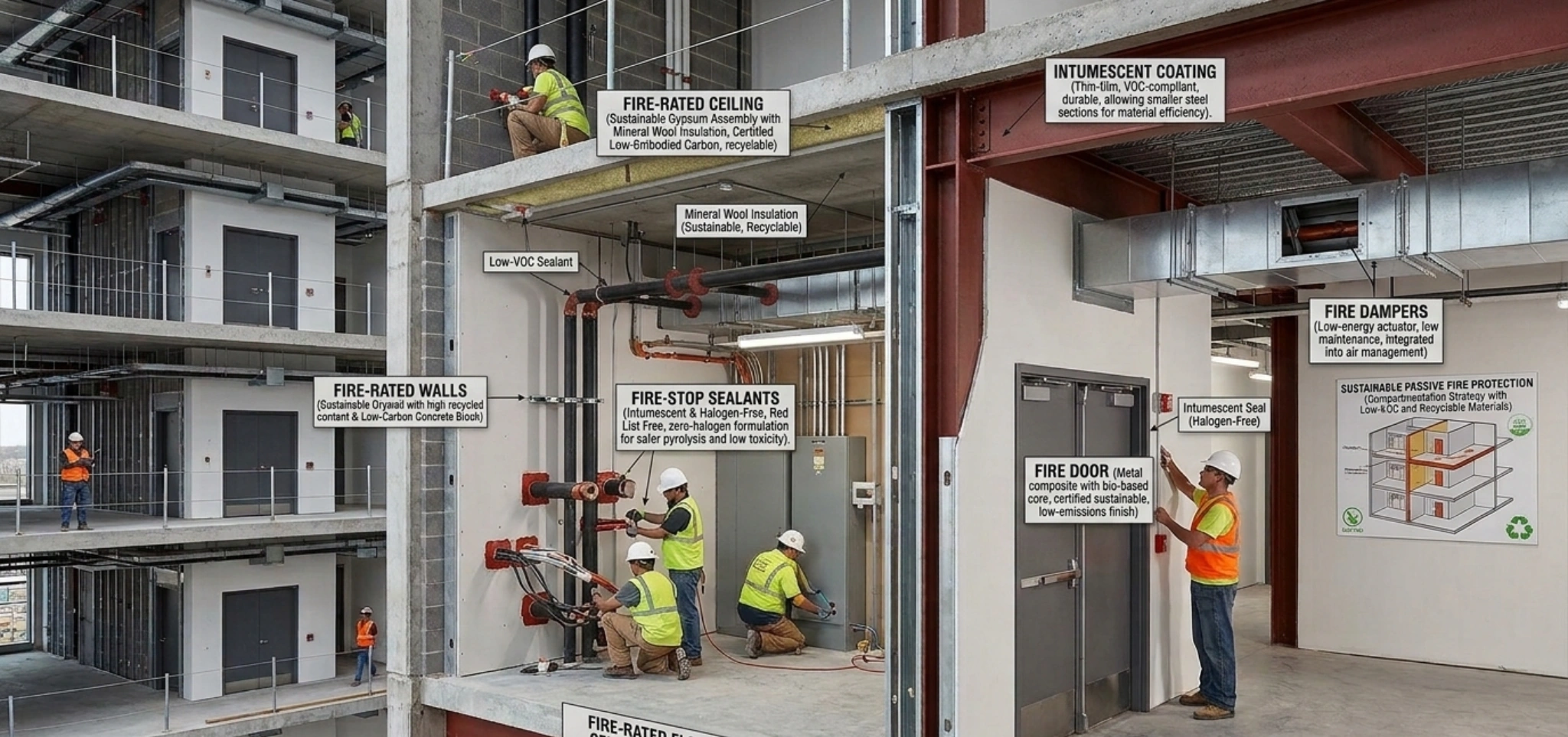
Sustainability in passive fire protection is now a baseline expectation on many Australian projects, particularly where clients are targeting Green Star outcomes, NABERS performance, or formal ESG reporting. In these settings, passive fire specifications are assessed against more than fire ratings and cost alone, because product choices can affect embodied carbon reporting, material transparency requirements and indoor environment goals that sit alongside the National Construction Code (NCC).
Regulators, financiers and major asset owners are also placing greater emphasis on measurable reductions in embodied carbon, clearer disclosure of product ingredients and supply chains, and avoiding higher-risk chemical content. The result is that passive fire products are increasingly evaluated and documented not only for tested fire performance, but also for credible environmental data and transparency, from early design through to handover and ongoing maintenance, especially on government, institutional and ESG-driven commercial work.
The NCC remains primarily focused on life safety, but it now sits within a wider framework that pulls sustainability into compliance decisions. State planning policies and local government development controls increasingly reference net-zero pathways, which flow down to material selection.
Green Star and NABERS do not directly mandate specific passive fire systems, but their criteria on upfront carbon, low toxicity and responsible products affect which systems can realistically be used. A high embodied carbon fireboard or sealant can make it difficult for projects to meet a targeted rating, so it becomes effectively non‑compliant with the project brief.
For government and institutional projects, this link is even tighter. Many jurisdictions require a minimum Green Star or equivalent performance for new works. If a passive fire specification jeopardises that rating, it can trigger design revisions, delays or refusal of approvals at key gateways.
Major asset owners are now reporting embodied carbon and product transparency as part of ESG frameworks. This has practical consequences for passive fire design.
Lenders and investors increasingly prefer or require:
A passive fire system that relies on high global warming potential binders or persistent toxic additives can conflict with these ESG settings. For commercial assets, this risk can affect financial conditions, insurance and long‑term asset value, which in turn drives compliance-style obligations on design teams and builders.
Government and large private clients are embedding sustainability criteria directly into procurement. Prequalification for panels and major projects often requires evidence that products are:
This means passive fire manufacturers that cannot demonstrate credible sustainability credentials may simply be excluded from tenders. Compliance is no longer just "Is it fire-rated and tested?" but "Is it fire-compliant, and does it satisfy mandated sustainability criteria?"
Fire compliance is no longer just about life safety and structural stability. Regulators, clients and insurers are expecting passive fire solutions that can demonstrate lower embodied carbon, responsible sourcing and healthier indoor environments alongside tested fire performance. For designers and specifiers, this means conventional “code minimum” products are being challenged by a mix of new standards, voluntary rating tools and procurement policies that jointly push the market towards low‑impact passive fire materials.
The National Construction Code (NCC) still sets the core fire performance requirements, but sustainability is now influencing how those requirements are met. Recent NCC cycles have:
Standards such as AS 1530.4 and AS 4072.1 remain the primary fire test and installation references. What has changed is that specifiers now pair these with environmental product declarations and Green Star-compliant documentation to select products that meet both sets of criteria.
The Green Building Council of Australia has made fire and sustainability more interconnected through Green Star. Although it does not replace the NCC, it rewards:
Insurers and major asset owners are screening façade and fire-protection systems more heavily following international cladding fires. As a result, there is a clear preference for non‑combustible, low‑smoke materials that also carry robust sustainability certifications.
In practical terms, the Australian market is moving towards:
Manufacturers are responding by publishing EPDs and investing in local production to cut transport‑related emissions. The real change is that fire compliance decisions are now commonly made using a compliant fire test report and a credible sustainability profile rather than fire data alone.
PFAS-free and low-VOC passive fire products are increasingly being specified in Australia, particularly on government, institutional and ESG-driven commercial projects where chemical restrictions, indoor environment targets and product transparency requirements apply. Design teams are looking for materials that provide reliable fire protection, support good indoor air quality and avoid persistent chemicals that may trigger current or future restrictions. This is especially relevant for coatings and boards, which can cover large surface areas within the occupied building envelope. Specifiers therefore need clarity on what “PFAS-free” and “low-VOC” mean for passive fire products, how claims can be verified, and how these choices affect compliance evidence and long-term liability.
PFAS-free intumescent coatings avoid intentionally added fluorinated substances where these may be present in certain coating chemistries. Because PFAS can attract increasing regulatory and procurement scrutiny, the practical approach is to verify claims rather than rely on marketing language. Specifiers should request written confirmation of “no intentionally added PFAS”, supported by product disclosure documentation and, where relevant, screening information to a stated detection limit.
Low-VOC intumescent coatings are often waterborne and are selected to support indoor environment goals by reducing odour and exposure during application and curing. In Australia, this is usually driven by the project brief and rating tool requirements (for example Green Star, and sometimes WELL/LEED where adopted), rather than the NCC itself. Where low-emitting criteria apply, request VOC content documentation using recognised methods (such as ISO 11890 or equivalent) and emissions evidence aligned with the project’s nominated low-emitting materials framework.
For structural steel, mass timber or gypsum substrates, the practical route is to select intumescent coating systems that combine:
Substitutions are common in fire protection, so project documentation should lock in performance and sustainability attributes, not just brand names. At a minimum, specify:
Contractors should also confirm the coating can be applied under typical Australian site conditions without extended cure times or application risks. Temperature and humidity can affect film formation and curing, and that can influence finish quality and the integrity of the installed system if application conditions are outside the manufacturer’s limits.
Fire-resisting boards are commonly used for shaft enclosures, fire-rated wall and ceiling systems, and for protecting structural members. Lower-impact board options are generally focused on reducing chemical risk and improving indoor air quality while still meeting the required fire performance.
Next-generation products may include:
To support NCC compliance and green building requirements, specifiers should request verifiable evidence, including:
When PFAS-free, low-emission coatings are paired with compatible fire-resisting boards, project teams can deliver rated enclosure systems that meet fire performance requirements while reducing chemical and documentation risk.
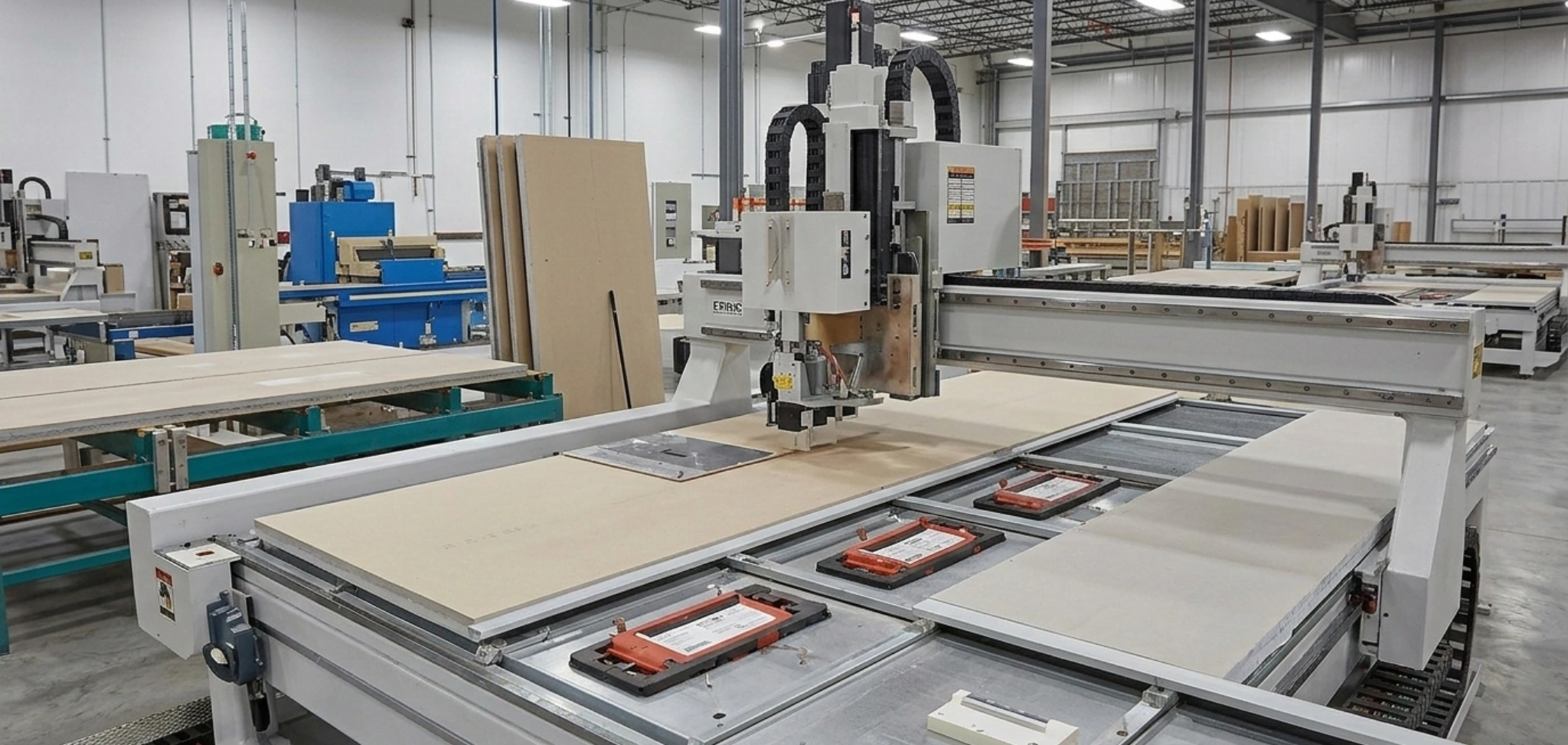
Modular and prefabricated fire barriers are rapidly becoming a practical way for design teams to cut material waste and simplify fire code compliance while staying aligned with performance goals. By shifting more work into controlled factory environments, these systems reduce on‑site cutting, packaging waste and installation errors that often lead to failed inspections or remedial work.
Modular fire partitions, shafts and enclosure kits provide predictable fire ratings with less embodied carbon than traditional built‑in‑place assemblies. They also shorten construction schedules, reducing on‑site energy use and disruption.
Modular fire barriers are pre‑engineered wall, ceiling or enclosure panels fabricated off-site, then assembled on-site like a kit. Typical systems include:
Each system is tested as a full assembly for fire resistance and smoke performance. Because the components and fastening patterns are defined in the listing and shop drawings, installers follow a specific method rather than improvising in the field.
Traditional fire partitions are often over‑framed and over‑boarded to “play it safe”, which leads to off‑cut waste and surplus materials. Modular systems help reduce this in several ways.
First, panel dimensions are coordinated to the building grid, so cutting is limited to edge conditions. Factory optimisation software nests panel layouts to maximise sheet utilisation, which is rarely achievable on a busy jobsite. Second, integrated insulation and firestopping reduce the number of separate products delivered to the site, which cuts packaging and transport emissions.
When selecting low‑impact systems, prioritise:
These strategies not only shrink the waste stream but also support life-cycle-based compliance pathways, increasingly favoured in green building programmes.
Many fire rating failures come from field modifications that break the tested assembly, such as unsealed penetrations or missing insulation at heads and joints. Prefabricated fire barriers narrow this risk by bundling detailing into the product.
Factory production under quality‑control programmes ensures consistent fastening schedules, cavity depth joint treatments and firestopping details. Installers work from shop drawings that reference specific UL or ASTM-listed assemblies, helping code officials verify compliance more quickly.
To get benefits, bring modular fire barrier suppliers into the design early. Coordinating the structural grid service zones and routeing clearances in BIM helps ensure that prefabricated elements arrive at the site ready to install with minimal cutting or field adaptation, keeping waste and compliance risk low.
Lifecycle assessment is quickly becoming the missing link between sustainable intent and real performance for passive fire materials. Instead of looking only at upfront product cost or a single green label, it evaluates environmental burdens from raw material extraction through manufacturing, transport, installation, service life and end of life. For those working under building code requirements and ambitious ESG targets, this whole-of-life view is increasingly tied directly to long-term cost and risk.
Lifecycle assessment for passive fire products is no longer a “nice to have”. It is a practical decision tool that can reveal hidden operational savings, identify future compliance risks and support more credible reporting against carbon and circularity goals.
A building product lifecycle assessment typically focuses on:
Environmental Product Declarations (EPDs) are the most common LCA‑based format and are increasingly requested by code officials, green building programmes and institutional owners. The key is to compare products on a functional basis.
Lifecycle data is only useful if it informs financial decisions. Remember to look at three main cost vectors in parallel with environmental results.
First is the replacement and maintenance cost. Some low‑impact passive fire materials exhibit superior durability, resistance to moisture and better dimensional stability. Over a 30‑ to 60‑year building life, this can mean fewer replacements of firestopping in movement joints, less patching of fire‑rated boards after minor water damage and less frequent reinspections or repairs. When LCA models include realistic service life assumptions, it becomes clear that a slightly higher first cost can be offset by fewer interventions and lower material use.
Second is operational disruption. Every time a fire barrier fails an inspection and must be opened up and repaired, the owner pays in labour fees, temporary protection and, in commercial settings, potential loss of revenue. Materials that are less prone to shrinkage, off‑gassing or compatibility failures with adjacent systems reduce these events. While traditional LCA does not assign a dollar value to disruption, facility managers treat it as a lifecycle cost tied to material reliability.
Third is regulatory and ESG risk. Choosing products with third‑party verified EPDs and clear end‑of‑life scenarios can lower the likelihood that a system will need expensive retrofits to meet evolving green procurement rules or corporate carbon commitments.
To make LCA a routine part of passive fire design, teams can:
By embedding lifecycle assessment into standard procurement workflows, the industry can select passive fire solutions that protect lives, meet requirements and minimise long‑term environmental and financial burden.
In 2026, a truly sustainable passive fire protection (PFP) system is judged as much by its carbon and health profile as by its fire rating. Designers and owners are asking whether a product can meet building and fire code requirements while also cutting embodied carbon, avoiding toxic ingredients and supporting future reuse or adaptation.
Moving beyond a single label or fire test report and examining the materials, chemistry, installation method, expected lifespan and verified environmental data for the whole assembly.
Any sustainable PFP solution must first be a robust fire protection system. In practice, that means:
Tested to relevant ASTM and UL standards for fire resistance and smoke control
Clear classification for use in walls, floors, penetrations and joints
Compatibility with adjacent materials such as gypsum, steel, timber and insulation
A “green” claim without test reports listing details and environmental disclosures should not qualify as sustainable in a compliance setting.
Embodied carbon is now a core specification criterion for PFP. Project teams should compare global warming potential values from EPDs for:
Lower clinker cement content, recycled mineral fillers, bio-based binders and optimised density can reduce impacts. For coatings and sealants, low VOC content and water-based chemistries are preferred to solvent-heavy solutions that increase carbon and health burdens.
Sustainability also depends on how PFP behaves over decades of use. It helps to look for systems that maintain performance without frequent replacement in real building conditions, including humidity, thermal movement and minor structural deflection. Durable mineral-based solutions like high-density stone wool boards or cementitious mortars often outperform less stable foams over time.
Serviceability is crucial. Penetration firestopping should allow cables to be added or removed without destroying the entire system. Modular sleeves, compressible mineral wool with surface sealants and re-enterable putties support future fit-outs, reduce waste and simplify compliance checks.
Finally, end of life should be considered. A more sustainable PFP system uses materials that are inert, recyclable or at least non-hazardous when removed. Products that rely on high solvent content or persistent halogenated additives may create disposal problems later, even if their initial embodied carbon is acceptable.
Many assume that if a passive fire product carries a fire rating, it must also be environmentally sound. Fire safety and sustainability are validated through different tests and standards, and products that excel in one area can fail in the other. This gap is where many compliance problems begin. Experts see recurring patterns in how architects, contractors and owners select and document low‑impact passive fire materials. Understanding these patterns makes it far easier to avoid redesigns, specification changes and approval delays late in the project.
A common mistake is to finalise the fire protection strategy, then try to “green it up” with substitutions. This often results in products that meet the fire resistance rating but miss embodied carbon, VOC or hazardous ingredient requirements in stretch codes and green programmes.
Instead, integrated design should be standard practice. During early design, teams must:
This approach avoids having to trade environmental performance for fire safety at the end of design when options are limited and costly to change.
Labels such as “eco‑friendly” or “non‑toxic” are not compliance evidence. Code officials and green rating systems expect third‑party documentation that aligns with references and recognised standards.
Typical pitfalls include using products that lack:
To avoid this, specialists advise project teams to require from suppliers at the specification stage:
If documentation is incomplete, it is better to identify an alternate early than to debate acceptability during plan review.
Another frequent mistake is to focus solely on product formulations and ignore how systems are installed, maintained and disposed of. For passive fire protection, these phases can influence overall environmental impact and compliance with circularity or waste diversion targets.
More sustainable choices typically feature modular or mechanical fastening, where possible, low‑dust cutting or pre‑formed components and clear disassembly pathways. Specifications should also call for installation instructions that address safe handling and waste segregation so contractors can meet both fire and sustainability requirements in the field.
The path towards low-impact, sustainable passive fire materials is not just a technical or regulatory issue; it is a strategic business decision that will define which companies stay competitive as codes and markets evolve. Throughout this article, we have explored how the next generations are tightening energy and carbon requirements while also raising expectations for life safety and resilience. We have looked at how conventional passive fire systems are being re-evaluated. We have also examined how Environmental Product Declarations, HPDs, LCAs and performance-based design are becoming everyday due diligence tools. The companies that intentionally build relationships with forward-looking manufacturers, invest in training their teams and integrate sustainability metrics into their fire-protection specifications will be positioned to meet emerging requirements with confidence.