

What Is Involved in a Complex Passive Fire Remediation Project?
June 4, 2026
Complex passive fire remediation has become one of the most closely scrutinised aspects of building safety, regulatory compliance and asset management. Where fire strategy deficiencies, compromised compartmentation or uncertain product performance are identified, remediation often extends far beyond isolated repairs. The process can affect structural and architectural elements, operational continuity, stakeholder responsibilities and compliance obligations.
Engaging a competent passive fire consultant at an early stage can help establish a clear understanding of the risks, remediation priorities and technical requirements before work begins.
IECC explores what to expect when a building requires complex passive fire remediation. It discusses how structural constraints, occupancy considerations and regulatory requirements influence the remediation strategy, how work is coordinated in occupied environments and why documentation, verification and ongoing record management are critical to achieving a clearly justified outcome.
A passive fire remediation project becomes complex when the required work affects multiple building systems and must be delivered within regulatory, operational and budget constraints. Complexity increases where defects are widespread, hidden behind finishes or located in areas that are difficult to access. The project may become more challenging again where the building must remain occupied and operational during the works.
Rather than replacing a single fire door or sealing an isolated penetration, complex projects can involve coordinated upgrades to compartment walls, floors, ceilings, structural elements, service penetrations and firestopping systems. Each intervention must be designed, installed and documented in a way that supports the building’s fire strategy and applicable compliance requirements.
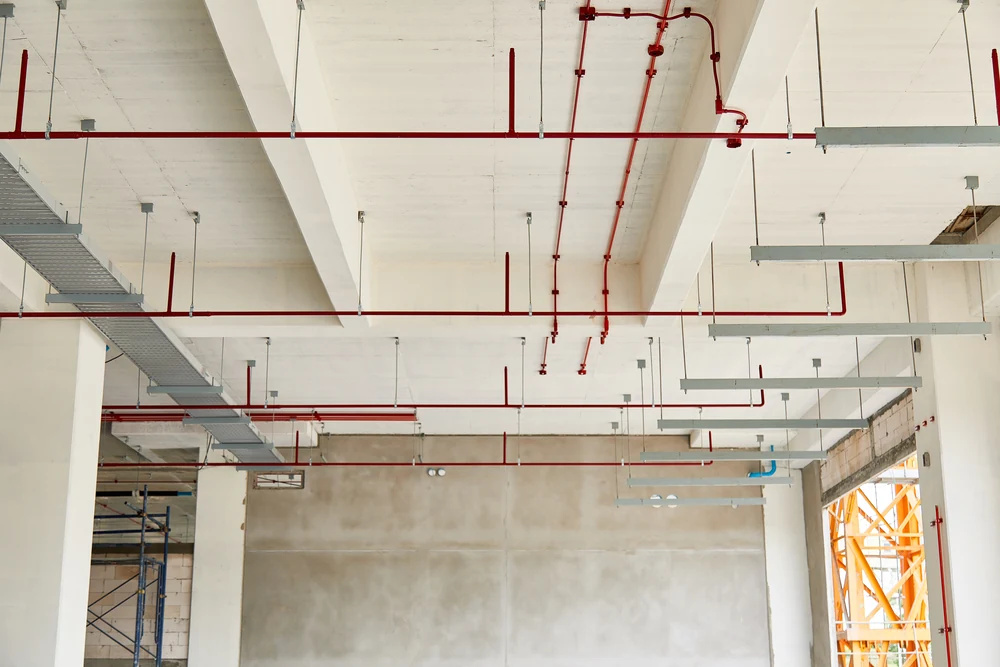
Fire performance rarely depends on a single component. It relies on the way walls, floors, doors, ceilings, structural steel, ducts, cables and other services interact under fire conditions.
Once remedial work begins, it is common to uncover additional issues, such as unprotected service penetrations above ceilings, missing cavity barriers or fire doors with unsuitable hardware or installation defects. Each finding can affect the scope of work and may require input from several trades.
For example, upgrading a compartment wall may require coordination with mechanical, electrical and plumbing contractors. Services may need to be re-routed or reinstated using suitable penetration seals so that the required fire resistance is maintained.
Passive fire remediation must be assessed against the applicable regulatory requirements, the building’s existing fire strategy and the current level of risk. In older buildings, this often requires careful consideration of the standards in force at the time of construction alongside current guidance and any obligations triggered by the proposed works.
A project becomes more involved where:
Designers must identify suitable systems and prepare details supported by appropriate evidence of performance. Products from different manufacturers should not be combined unless the proposed configuration is supported by suitable test evidence or a relevant technical assessment.
Many passive fire remediation projects take place in occupied residential buildings, hospitals, hotels, offices and other operational environments. Maintaining life safety throughout the works is essential.
Critical defects may also be located in areas that are difficult to reach, such as ceiling voids above clinical spaces, densely serviced plant rooms or risers running through multiple dwellings. Gaining access to private units, scheduling work around sensitive operations and protecting equipment can add significant logistical complexity.
Assessing the extent of passive fire defects is the foundation of any complex remediation strategy. The objective is to establish a clear picture of what is wrong, where it is located, why it matters and how urgently it must be addressed.
Without this level of detail, costs can be unreliable, scopes may remain incomplete and risks may stay hidden within the building fabric.
This stage involves more than a surface-level inspection. It is a structured technical investigation that considers the building’s fire strategy, its current use and the condition of its passive fire protection measures. The findings should form a detailed defect register that can guide design, programme and budget decisions.
A proper assessment begins with a review of available drawings, specifications, fire strategy documents and previous inspection reports. These records help identify likely risk areas and gaps in the available information.
Where critical elements cannot be inspected from the surface, an intrusive survey may be required. This can involve opening walls, ceilings and shafts to assess firestopping, cavity barriers, structural protection and fire-resisting construction.
The survey plan should define:
Each opening should be carefully recorded and made safe until permanent remediation takes place.
Defects should be graded according to their severity and likely consequences. Issues affecting compartmentation around escape routes, firefighting shafts or sleeping accommodation may require early attention. Lower-priority items can be scheduled for later stages where the risk assessment supports this approach.
Photographs, measurements, fire resistance ratings, product information and installation details should be recorded systematically. A clear defect classification system supports transparent communication with building owners, residents, regulators and other stakeholders.
The assessment should not stop at listing defects. Findings must be interpreted against the building’s current use, occupancy profile and fire strategy.
For example, widespread defects within vertical risers may affect assumptions about smoke spread, evacuation and temporary safety measures during the works. The extent and distribution of defects also influence whether remediation can be delivered in stages or whether certain areas need to be addressed as a coordinated package.
For larger projects, survey findings may be developed into a coordinated defect map aligned with existing drawings, CAD files or building information models.
Complex passive fire remediation projects rarely allow every defect to be addressed at once. Budget limitations, occupied spaces and programme constraints mean that work must be sequenced so the most significant life safety risks are controlled first.
A structured, risk-based approach helps ensure that each decision can be clearly explained to clients, regulators, insurers and occupants.
Prioritisation begins with a review of the building’s fire strategy, compartmentation survey findings and occupancy profile. Each defect is assessed in context rather than as an isolated issue.
Relevant considerations can include:
Defects that could allow smoke or fire to spread into escape routes or across multiple compartments are generally treated as higher priority.
Risk is not the only factor that determines the order of work. Urgency may also be influenced by regulatory deadlines, insurance requirements, access constraints and coordination with planned refurbishment projects.
Work is often grouped into short-, medium- and longer-term actions. Immediate or short-term measures may focus on serious breaches affecting escape routes, firefighting shafts, critical plant rooms or other areas with elevated life safety consequences. Medium-term actions may address important but less urgent defects. Longer-term improvements can be incorporated into broader asset management or refurbishment programmes where appropriate.
Choosing an appropriate passive fire protection system is essential to restoring compartmentation and supporting compliance. Each defect must be assessed against the surrounding construction, the required fire resistance period and the available evidence of performance.
The examples below provide a general overview only. The suitability of any system must be confirmed against the specific site conditions, required performance and supporting test evidence.
Openings around cables, cable trays, pipes and ducts are among the most common passive fire defects. The correct solution depends on the service type, the size of the opening, the wall or floor construction and the required fire rating.
Depending on the application, suitable systems may include fire-rated sealants, coated boards, mortars, collars, wraps or proprietary penetration-sealing systems. Plastic pipes, metal pipes, cable bundles and ducts each behave differently during a fire, so the chosen system must be suitable for the specific service and substrate.
Larger risers and voids should be assessed as complete systems rather than patched using products intended for small openings.
Gaps between walls and floors, head-of-wall details and façade interfaces may need to accommodate building movement as well as maintain fire resistance.
A rigid product designed for a static opening may not be suitable for a moving joint. The selected system should account for the width of the gap, anticipated movement, adjacent construction and required fire resistance period.
Where fire doors require replacement, the specification should consider the complete doorset, including the leaf, frame, hardware, seals, glazing and surrounding wall construction. Third-party certification can provide additional assurance that the product and installation are suitable.
Fire-rated ducts, fire dampers and penetration seals around ductwork must also be considered as coordinated systems. A standard penetration seal cannot automatically substitute for a tested damper or fire-rated duct arrangement.
Where structural steel or concrete does not have adequate fire protection, possible solutions may include intumescent coatings, board encasement or spray-applied materials. The appropriate option will depend on the required rating, the exposed conditions, available space and supporting evidence of performance.
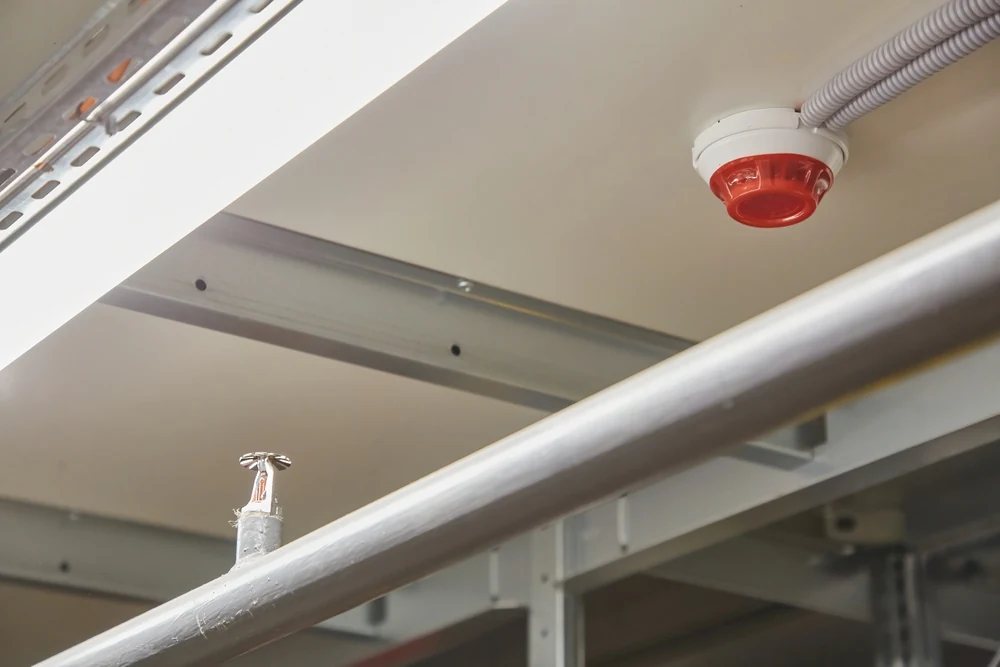
Complex passive fire remediation in an occupied building requires careful planning to protect residents, staff and visitors while allowing the building to continue functioning.
The aim is to improve fire safety without introducing additional risks during construction.
Programming should begin with a detailed understanding of how the building is used. Offices, residential buildings, healthcare spaces and retail premises each have different occupancy patterns and operational constraints.
Work packages can then be phased around lower-occupancy periods where possible.
Temporary changes to the fire strategy may be required while remediation takes place. These can include temporary fire-resistant partitions, alternative escape routes or additional signage. Any temporary arrangement should be risk assessed, recorded and reviewed as the works progress.
Clear communication is essential for occupants who must live or work through the project.
Before work begins, the project team should provide a plain-language overview explaining what will happen, where the work will take place and how occupants may be affected. Regular updates should then be issued as the programme develops.
Information should cover:
Feedback mechanisms are also important. They allow residents, facilities managers and business operators to raise issues such as access difficulties, sensitive work areas or additional support needs before they disrupt the programme.
Contractor access should be carefully controlled in occupied buildings. Routes should be defined in advance and separated from public circulation wherever possible using signage, barriers and secure access controls.
Hot works, temporary alarm impairments, compartment breaches and service penetrations require documented procedures. Where a fire compartment is temporarily opened, compensatory measures may be required until protection is reinstated.
Completed work should be inspected, verified and recorded before areas are handed back. Testing should also be completed where required by the specification, applicable standards or the nature of the installed system.
Thorough documentation is essential at the end of a complex passive fire remediation project. It demonstrates what work has been completed, supports future inspections and provides a reliable basis for ongoing building management.
Records should show what was installed, where it was installed and how the completed work aligns with the fire strategy and approved designs.
The as-built package should include updated fire strategy drawings, compartmentation plans, firestopping schedules and records of repaired or replaced fire-resisting elements.
Each intervention point should have a unique reference linking it to the relevant drawings, photographs, product information and inspection notes.
Depending on the scope of work, records may include:
Where systems such as fire-rated ductwork, cavity barriers or structural protection are involved, the records should describe the full construction build-up and its interfaces with adjacent elements.
Complex projects can benefit from an independent review by a competent fire engineer or suitably qualified third-party inspector. This review helps confirm that records match the completed work, interfaces have been addressed and critical areas have not been overlooked.
At handover, the information package should be transferred into the building’s safety records. This may include:
Record management does not end at handover. Documentation should be updated whenever further penetrations, refurbishment works or system changes occur.
A live record of the building’s passive fire protection helps prevent future work from undermining compartmentation and reduces uncertainty during later inspections or alterations.
A complex passive fire remediation project is a structured process of investigation, design, coordination, installation and verification. Each stage requires technical accuracy, clearly defined responsibilities and careful documentation.
Successful delivery depends on understanding the extent of the defects, prioritising the most significant risks, selecting suitable systems and maintaining a reliable audit trail. When these elements are addressed properly, the remediation programme provides a stronger foundation for ongoing building safety, operational continuity and long-term asset management.